

S20C Steel: Comprehensive Guide to Uses, Mechanical Properties, and Machining Benefits
S20C is a JIS-specified low‑carbon engineering steel chosen for parts that need a practical balance of strength, formability and excellent machinability. This guide walks through S20C’s chemistry, mechanical behavior, common applications, machining advantages and heat‑treatment options so engineers and buyers can match material performance to design needs. Often cross‑referenced to AISI 1020 or EN C20, S20C’s low carbon content limits hardenability and makes cutting, forming and welding predictable while still delivering adequate tensile and yield strength for shafts, pins and fasteners. Where specifiers often get tripped up is in the details—composition limits, mechanical ranges and best machining practices. This article closes that gap with clear composition data, mechanical ranges with interpretation, practical tooling and cutting recommendations, heat‑treatment guidance (including carburizing and quenching), and concise supplier information for sourcing S20C bright bars. Keywords such as S20C steel properties, S20C steel uses, AISI 1020, S20C machinability, and S20C heat treatment appear naturally throughout to support selection and procurement.
What is S20C Steel and Its Chemical Composition?
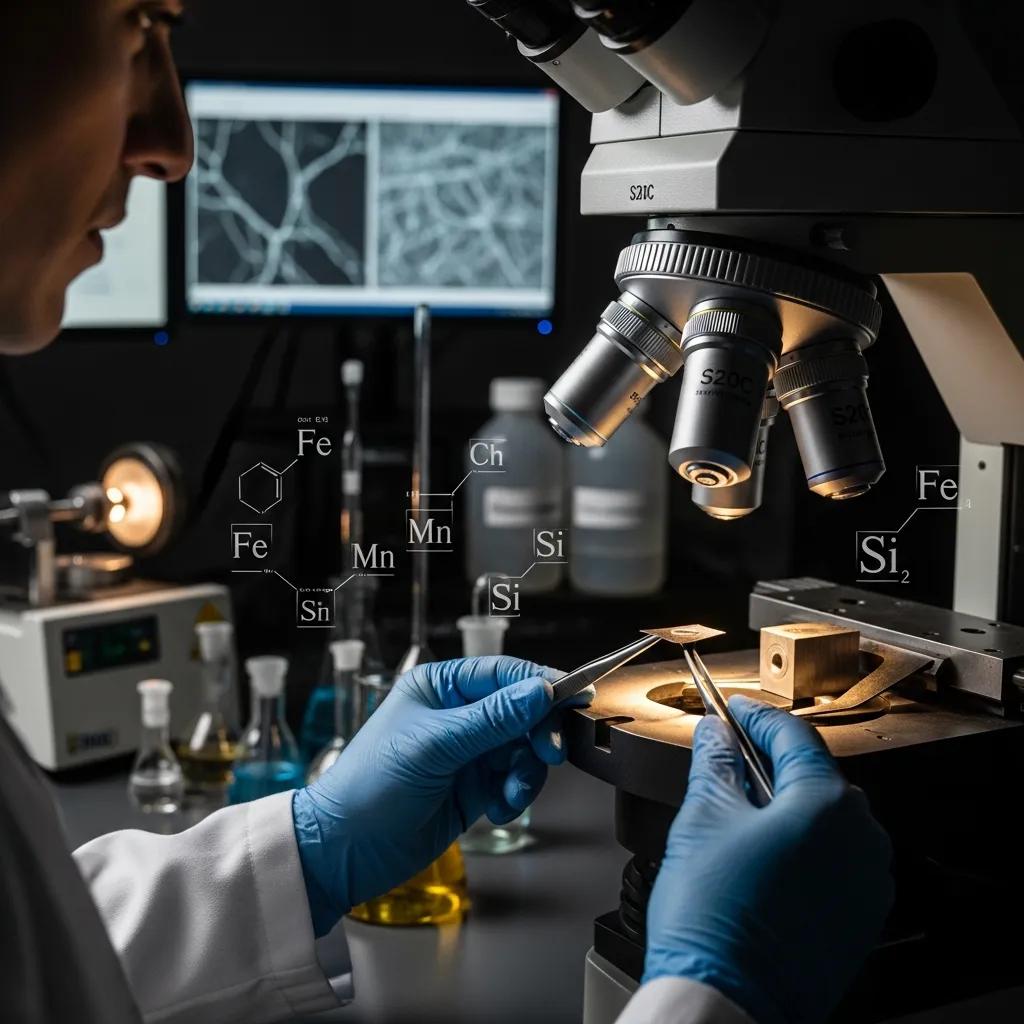
S20C is a low‑carbon steel under JIS G4051 with about 0.20% carbon, giving a practical trade‑off between strength and ductility that supports machining and joining operations. Its performance is driven by controlled levels of carbon, manganese, silicon, phosphorus and sulfur—elements that determine tensile strength, hardness and response to heat treatment and therefore suitability for turning, cold heading and carburizing. Knowing the elemental budget explains why S20C machines cleanly and can be case‑hardened for wear surfaces while keeping a ductile core. The table below lists typical elemental ranges and their practical effects so you can quickly assess behavior during fabrication and service. This chemical basis directly informs mechanical expectations and whether surface treatments are appropriate, which we cover next.
Each element in S20C influences performance through established metallurgical mechanisms.
| Element | Typical Percentage Range | Effect on Properties |
|---|---|---|
| Carbon (C) | 0.18–0.23% | Sets base strength and hardenability; higher carbon raises hardness but lowers ductility and weldability |
| Manganese (Mn) | 0.30–0.60% | Increases tensile strength and modestly improves hardenability; aids deoxidation and refines grains |
| Silicon (Si) | 0.03–0.35% | Acts as a deoxidizer; small amounts boost strength without losing formability |
| Phosphorus (P) | ≤0.035% | Typically an impurity; can raise strength but excessive amounts reduce toughness |
| Sulfur (S) | ≤0.035% | When controlled, helps machinability and chip break; excessive sulfur harms ductility and notch toughness |
Which Elements Define S20C Steel’s Chemical Makeup?
Carbon is the main strength driver in S20C—around 0.20% yields moderate tensile strength while keeping the steel soft enough for efficient machining and cold forming. Manganese (≈0.30–0.60%) serves as an alloying and deoxidizing element that raises strength and slightly improves hardenability without major loss of ductility. Silicon, in smaller amounts, helps deoxidation and contributes incremental strength while preserving formability. Phosphorus and sulfur are held low to balance machinability and toughness: controlled sulfur can aid chip breaking, but too much phosphorus or sulfur reduces impact resistance and weldability. Together these elements produce a ferrite‑dominant microstructure with pearlite, delivering the machinability and forming behavior expected from S20C and its equivalents.
What Are the Equivalent Grades to S20C Steel Worldwide?
S20C is commonly compared to AISI/SAE 1020 and EN C20—all low‑carbon engineering steels with similar carbon levels and processing expectations. Small differences in manganese or impurity limits can change hardenability and exact mechanical ranges, so verify mill certificates for critical parts. When substituting grades, compare certified carbon, manganese and impurity values rather than relying only on names to ensure consistent machining, heat‑treatment and in‑service behavior. Understanding these near‑equivalencies helps procurement teams source suitable bright bars from multiple suppliers while anticipating any minor process adjustments. For additional information, refer to understanding c20 grade steel.
What Are the Mechanical Properties of S20C Steel?
S20C shows a balanced mechanical profile: moderate tensile and yield strength, low‑to‑moderate hardness in normalized or annealed condition, and sufficient elongation for many forming and joining operations. These properties come from a ferrite‑pearlite microstructure and low carbon content, so designers can predict consistent deformation and fatigue behavior for pins, shafts and bolts. The compact table below summarizes typical mechanical ranges used for design validation or finite‑element input. Matching these ranges to service demands—static loading, cyclic stresses or impact—helps decide if the core is adequate or if surface treatments such as carburizing are needed, which we discuss in the heat‑treatment section.
| Property | Typical Range / Value | Relevance to Application |
|---|---|---|
| Tensile strength (Rm) | 410–560 MPa | Adequate for general shafts and fasteners; apply safety factors for dynamic loading |
| Yield strength (Rp0.2) | ~245–355 MPa | Gives a predictable elastic limit for design; suitable for mild to moderate loads |
| Brinell hardness (HB) | 120–180 HB (normalized/annealed) | Soft enough for machining; surface hardening typically needed for wear parts |
| Elongation (A%) | 20–28% | Good ductility for forming and cold‑heading |
This mechanical snapshot highlights S20C’s usefulness in machined components and where surface engineering or higher‑grade steels are preferable for wear, fatigue or impact‑sensitive parts.
How Do Tensile Strength and Hardness Characterize S20C Steel?
Tensile strength and hardness reflect S20C’s base microstructure: Rm around 410–560 MPa provides margin for many static and lightly dynamic components, while 120–180 HB indicates a machinable, ductile core suitable for bright‑bar production. Localized hardness and strength can be achieved by carburizing and quenching to form a hard case while preserving core ductility; full‑section quenching is uncommon because low carbon limits hardenability. For manufacturing, these ranges inform cutting forces, fixturing and inspection limits, guiding tolerance and finishing decisions.
What Are the Ductility and Toughness Features of S20C Steel?
S20C typically shows good ductility (20–28% elongation), supporting cold forming, press fits and assembly without brittle failure. Impact toughness is adequate for many routine uses but lower than alloyed medium‑carbon steels or microalloyed grades, so avoid S20C for heavily shock‑loaded applications unless design safeguards or surface treatments are applied. When toughness is critical, request Charpy or impact data from your supplier and consider grain‑refining heat treatments or alternative materials. Ductility and toughness inform application choices and any needed post‑process inspection or reinforcement.
Where Is S20C Steel Commonly Used Across Industries?
S20C’s mix of machinability, formability and ability to accept surface hardening makes it a versatile choice across automotive, machinery, construction and agricultural sectors. Its cost efficiency and predictable machining behavior suit high‑volume parts—bright bars turned into shafts, pins and similar components—where dimensional accuracy and surface finish matter. The list below summarizes primary applications and the engineering rationale so you can map material properties to component requirements. After that, we give specific examples for automotive and machinery use to clarify typical design choices.
- Automotive and machinery parts such as pins, shafts and bolts where machinability and dimensional control are priorities.
- Construction and agricultural components for non‑critical structural elements and implement parts that value easy fabrication and cost efficiency.
- Bright bars and cold‑headed components that benefit from good surface finish and formability for high‑precision parts.
These application groups explain why S20C is often the material of choice for cost‑sensitive components that need reliable machining and, when required, local surface hardening to extend wear life.
Which Automotive and Machinery Components Utilize S20C Steel?
In automotive and machinery sectors, S20C is frequently used for pins, dowels, short shafts and some fasteners where core ductility and easy machining cut cycle times and tooling costs. Transmission pins, locating dowels and small‑diameter shafts benefit from bright‑bar finishes that support tight tolerances and smooth surfaces for bearings or sliding fits. Manufacturers also pick S20C when parts will be surface‑treated—carburizing contact areas—because the low‑carbon core keeps toughness after case hardening. These component examples help purchasing and engineering teams choose the right grade for production and life‑cycle expectations.
How Is S20C Steel Applied in Construction and Agricultural Sectors?
In construction and agriculture, S20C is commonly specified for non‑load‑bearing or lightly loaded parts, brackets, linkages and implement components where ease of fabrication and on‑site repairability matter more than high strength. Bright‑bar formats give excellent surface quality for painting, plating or press‑fit assembly, and the steel’s ductility supports bending and forming in the workshop. For outdoor or corrosive environments, plan protective coatings or consider stainless alternatives; when that isn’t required, S20C bright bars remain an economical choice that balances manufacturability with adequate mechanical performance for many implement parts.
What Are the Machining Benefits and Best Practices for S20C Steel?
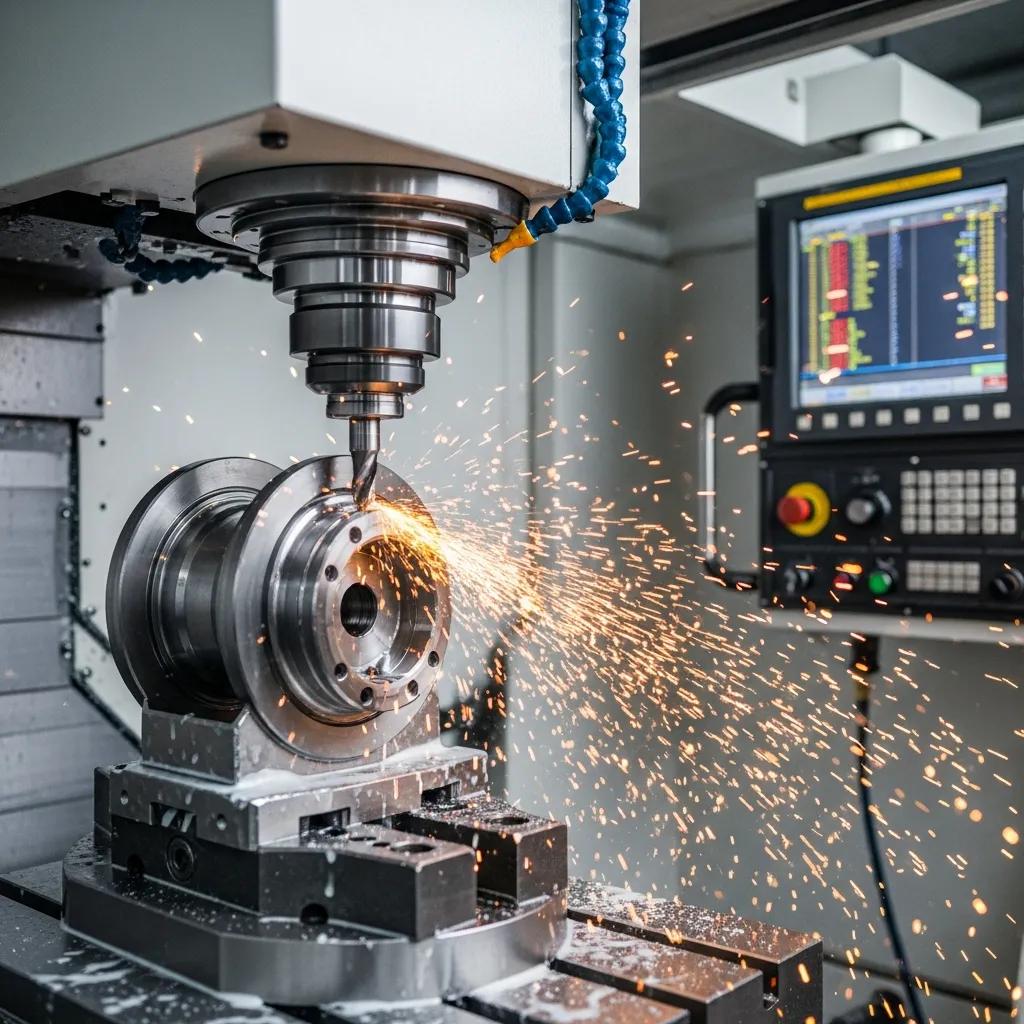
S20C is prized for good machinability thanks to its low carbon content and a soft ferrite matrix with dispersed pearlite, which lowers cutting forces and extends tool life versus higher‑carbon steels. Benefits include predictable chip formation, reduced tendency to work‑harden and consistently favorable surface finish on bright‑bar stock. The table below gives recommended starting parameters for turning, milling and drilling S20C bright bars—adjust these for machine rigidity, tooling condition and part geometry. After the table we list tooling choices and coolant strategies to optimize productivity and finish, followed by a short note on sourcing bright bars from Dhand Steels when you’re ready to procure material.
| Operation | Recommended Parameters (cutting speed / feed / depth) | Tooling / Notes |
|---|---|---|
| Turning (finish) | 120–200 m/min / 0.05–0.2 mm/rev / 0.5–2 mm depth | Carbide inserts (TiN or uncoated) for sticky chips; keep geometry sharp |
| Milling (face/rough) | 80–200 m/min / 0.05–0.3 mm/tooth / 1–4 mm depth | Solid‑carbide end mills with suitable coatings; ensure reliable chip evacuation |
| Drilling (HSS/Carbide) | 20–50 m/min / 0.05–0.2 mm/rev | Use peck cycles for deep holes and coolant to reduce built‑up edge |
| Threading / Cold‑heading | Slow feeds, controlled lubrication | For cold‑heading, confirm proper temper and lubrication to avoid cracking |
These ranges are solid starting points for production setups; fine‑tune parameters for tool wear, machine stiffness and part geometry to maximise cycle time and surface quality.
Recommended tooling and process practices for machining S20C:
- Use stable carbide tooling with a positive rake for finishing to lower cutting forces and improve surface finish.
- Apply coolant or flood lubrication during drilling and heavy milling to prevent built‑up edge and lengthen tool life.
- Watch chip form and adjust feed to avoid stringing or smearing; consistent, broken chips are a sign of optimal feeds and speeds.
Dhand Steels supplies S20C in precision bright‑bar formats (round, hex, square) suitable for these machining practices. If you’re procuring bright bars and need technical support, request specifications and supply options from Dhand Steels to streamline material selection and production planning.
Why Is S20C Steel Known for Good Machinability?
S20C machines well because its low carbon level and ferrite‑rich microstructure limit the formation of hard phases during cutting, resulting in lower cutting forces and predictable tool wear versus higher‑carbon steels. Controlled sulfur in some heats can improve chip break and surface finish, while manganese and silicon balance helps stable behaviour under cutting loads. In production, these traits reduce cycle times and tooling costs for high‑volume turning and milling, and they support tight tolerances in bright‑bar finishing with minimal post‑processing.
What Are Optimal Machining Parameters and Tooling for S20C Steel?
For turning S20C bright bars start around 120–200 m/min with feeds of 0.05–0.2 mm/rev for finishing, using carbide inserts with a fine edge prep. Milling works well with solid‑carbide end mills at similar speeds and conservative axial depths to keep surface integrity; drilling uses lower speeds and peck cycles for deep holes. Prefer uncoated or light‑coated carbide grades for toughness and edge retention; advanced coatings help at higher speeds or with abrasive coolants. Aim for rigid fixturing, vibration damping and steady coolant application to avoid built‑up edge and control chip form—these measures improve tolerances and surface integrity in finished parts.
How Does Heat Treatment Affect S20C Steel Properties?
Heat treatment changes S20C’s microstructure to reach target combinations of hardness, toughness and dimensional stability. Annealing or normalizing refines grains and improves machinability, while carburizing plus quench and temper creates a hard, wear‑resistant surface case over a ductile core—an effective route for low‑carbon steels used in wear parts. The list below outlines common heat‑treatment options and their purposes so designers can select the right thermal route; the following subsection looks at how carburizing and quenching improve wear resistance and fatigue life.
- Annealing: softens the steel to improve machinability and formability before machining or cold working.
- Normalizing: refines grain structure and gives more uniform mechanical properties for general fabrication.
- Carburizing + quench + temper: produces a hard surface case with a tough core for wear and fatigue‑critical parts.
Choosing the correct process optimises both manufacturing efficiency and in‑service performance; the next section explains parameters and expected results.
What Are Common Heat Treatment Processes for S20C Steel?
S20C is often annealed to enhance machinability or normalized to produce a uniform microstructure before machining; annealing is performed below critical temperatures with controlled slow cooling to soften the steel. For wear‑resistant surfaces, carburizing adds carbon at elevated temperatures followed by quenching to harden the case and tempering to relieve stresses and tune toughness. Each route requires careful control of temperature, soak time and quench media to hit the desired case depth and core properties; selection depends on part geometry and service conditions.
How Do Carburizing and Quenching Enhance S20C Steel Performance?
Carburizing raises surface carbon by exposing S20C to a carbon‑rich atmosphere at temperature, allowing the surface to harden effectively when quenched. The hardened case improves wear resistance and surface fatigue life while the low‑carbon core keeps the part tough and shock‑resistant. Case depth depends on cycle time and temperature; post‑quench tempering reduces brittleness while maintaining outer hardness. For example, gear teeth made from S20C can gain significantly longer service life with a 0.5–1.0 mm hardened case that resists pitting and abrasion while the core absorbs impacts—design teams should balance case depth with core toughness for best fatigue performance.
Why Choose Dhand Steels for High-Quality S20C Bright Bars?
Dhand Steels manufactures, supplies and exports precision bright bars and engineered steel sections for manufacturing, automotive, rail, construction and heavy engineering. We focus on straightened, aligned bright bars in common shapes (round, hex, square) with the dimensional accuracy and surface finish needed for turning, cold‑heading and finishing operations. Our processes emphasise energy efficiency and smarter steelmaking to deliver cost‑effective supply solutions. Procurement teams looking for consistent specifications and reliable delivery will find Dhand Steels a practical source for S20C bright bars. The overview below shows what purchasers can expect when validating a bright‑bar supplier.
| Specification Aspect | Typical Offering / Value | Relevance to Purchasers |
|---|---|---|
| Product Forms | Bright bars: round, hex, square | Supports turning, cold‑heading and precision finishing |
| Dimensional Control | Precision straightening and alignment | Reduces rework and improves assembly fit |
| Sector Focus | Manufacturing, automotive, railways, construction | Matches supply to industry performance requirements |
What Specifications and Quality Standards Do Dhand Steels S20C Bright Bars Meet?
We control surface finish, straightness and dimensional tolerances through precise straightening and alignment to meet manufacturing requirements. Specific certifications and test data should be requested during procurement, but our bright bars come in common sizes and shapes compatible with cold‑heading and machining processes for quick integration into production. Buyers should request mill certificates that confirm chemical composition and mechanical test results to ensure the supplied S20C fits design and heat‑treatment plans.
How Does Dhand Steels Ensure Precision and Customer Satisfaction?
Dhand Steels applies process controls to maintain alignment and surface quality, and we prioritise reliable supply for sectors that depend on consistent material performance. Our quality checks focus on dimensional tolerances, straightness and finish to reduce rejection and downstream rework. Customer support includes supply flexibility and technical assistance to match material offerings with manufacturing needs. For procurement, the next step is to request product specifications and certified test data to confirm compatibility with your application and processing workflow.
- Dimensional Control: Precision straightening delivers tight straightness tolerances for long bars.
- Quality Verification: Mill certificates and test‑data reviews confirm composition and mechanical properties.
- Supply Flexibility: Bright‑bar formats (round, hex, square) support varied production methods.
Frequently Asked Questions
What are the advantages of using S20C steel in manufacturing?
S20C offers easy machinability and good formability because of its low carbon content, making it ideal for high‑volume parts like shafts and pins. Predictable machining behavior reduces tool wear and cycle times, lowering costs. When higher surface wear resistance is needed, S20C can be case‑hardened to deliver a hard surface while keeping a ductile core, making it a flexible and economical choice for many applications.
How does the heat treatment process affect the performance of S20C steel?
Heat treatment changes S20C’s microstructure to meet targeted properties. Annealing softens the steel for better machinability and formability; normalizing refines grains for uniform properties; and carburizing followed by quench and temper creates a hard surface case with a tough core for wear‑critical parts. The right process improves wear resistance, fatigue life and dimensional stability depending on component needs.
What are the best practices for machining S20C steel?
Use stable carbide tooling with a positive rake to reduce cutting forces and improve finish. Apply appropriate coolant during drilling and milling to avoid built‑up edge and extend tool life. Monitor chip form—consistent broken chips indicate correct feeds and speeds—and adjust parameters as tooling wears or part geometry changes to maintain surface quality and dimensional accuracy.
What industries commonly utilize S20C steel, and for what applications?
S20C is used across automotive, construction, agriculture and general machinery. In automotive it’s common for pins, shafts and fasteners that require tight tolerances. In construction and agriculture it’s used for lightly loaded parts, brackets and linkages where easy fabrication and repairability matter. Its bright‑bar form suits cold‑headed and precision machined components in many sectors.
How does S20C steel compare to other low-carbon steels?
S20C is similar to AISI 1020 and EN C20 in composition and properties, though small differences in manganese or impurity limits can affect hardenability and exact mechanical ranges. All these steels offer good machinability and formability; S20C is often chosen when predictable machining behavior and the option for surface hardening are priorities. Verify certified chemistry and mechanical data when substituting grades.
What should engineers consider when sourcing S20C steel?
Request mill certificates that confirm chemical composition and mechanical properties to ensure the material meets design and heat‑treatment plans. Check supplier quality controls for dimensional accuracy and surface finish to reduce rework, and confirm product forms and delivery reliability. Engaging a supplier that provides technical support and test data simplifies integration into production.
Conclusion
S20C delivers a practical balance of machinability, formability and cost‑efficiency for a wide range of applications. This guide summarises its chemistry, mechanical behavior and machining and heat‑treatment best practices to help you select and process the material with confidence. When you’re ready to source S20C bright bars, Dhand Steels provides precision‑engineered stock and technical support to match your specifications—contact us to streamline procurement and improve production outcomes.




Comments
0 Comment On Post