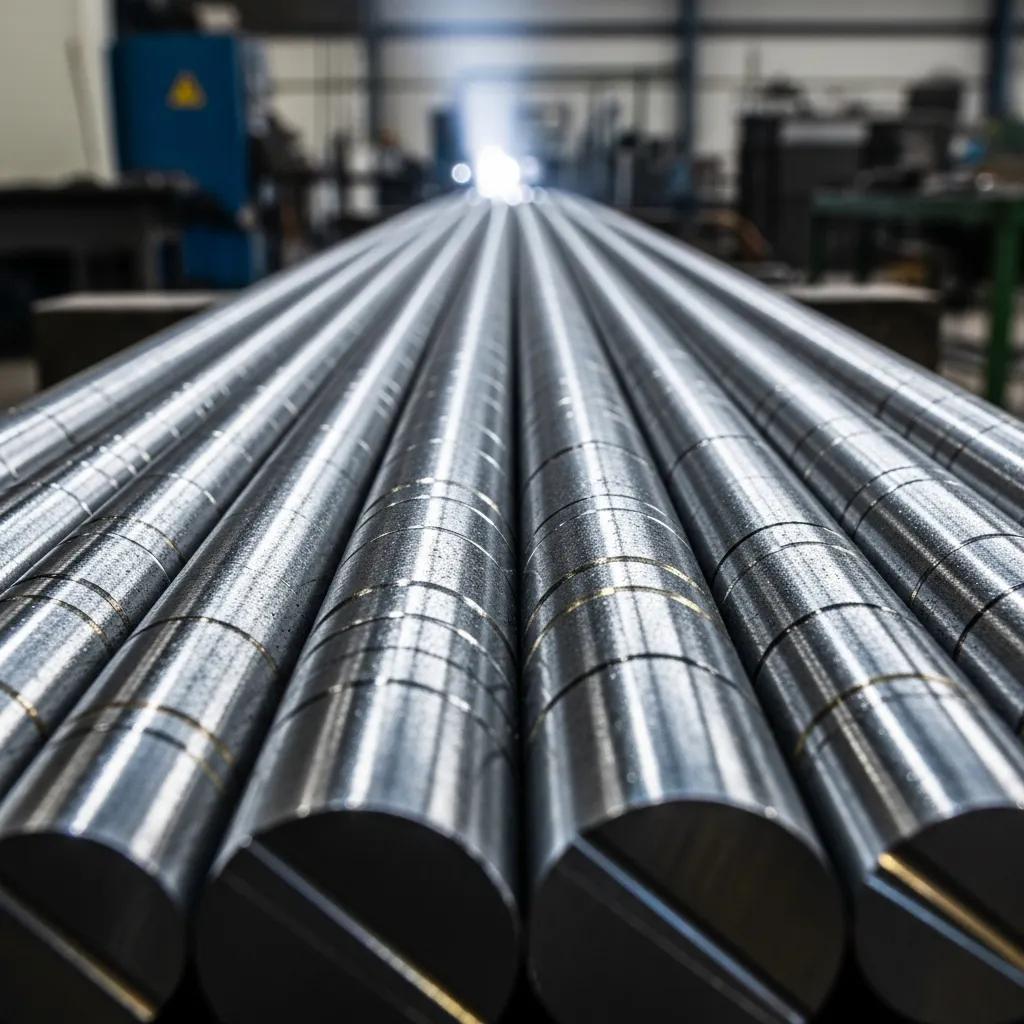
Unveiling EN19 Steel Applications: A Guide for Engineers

Unveiling EN19 Steel Applications: A Guide for Engineers

EN19 Steel — High‑Tensile Cr–Mo Alloy: Properties, Uses and Industrial ApplicationsEN19 is a high‑tensile chromium–molybdenum alloy steel engineered for demanding engineering parts that need a careful balance of strength, toughness and wear resistance. This guide breaks down EN19’s chemistry, mechanical performance, heat‑treatment routes, common international equivalents and the industrial uses that make it a preferred…
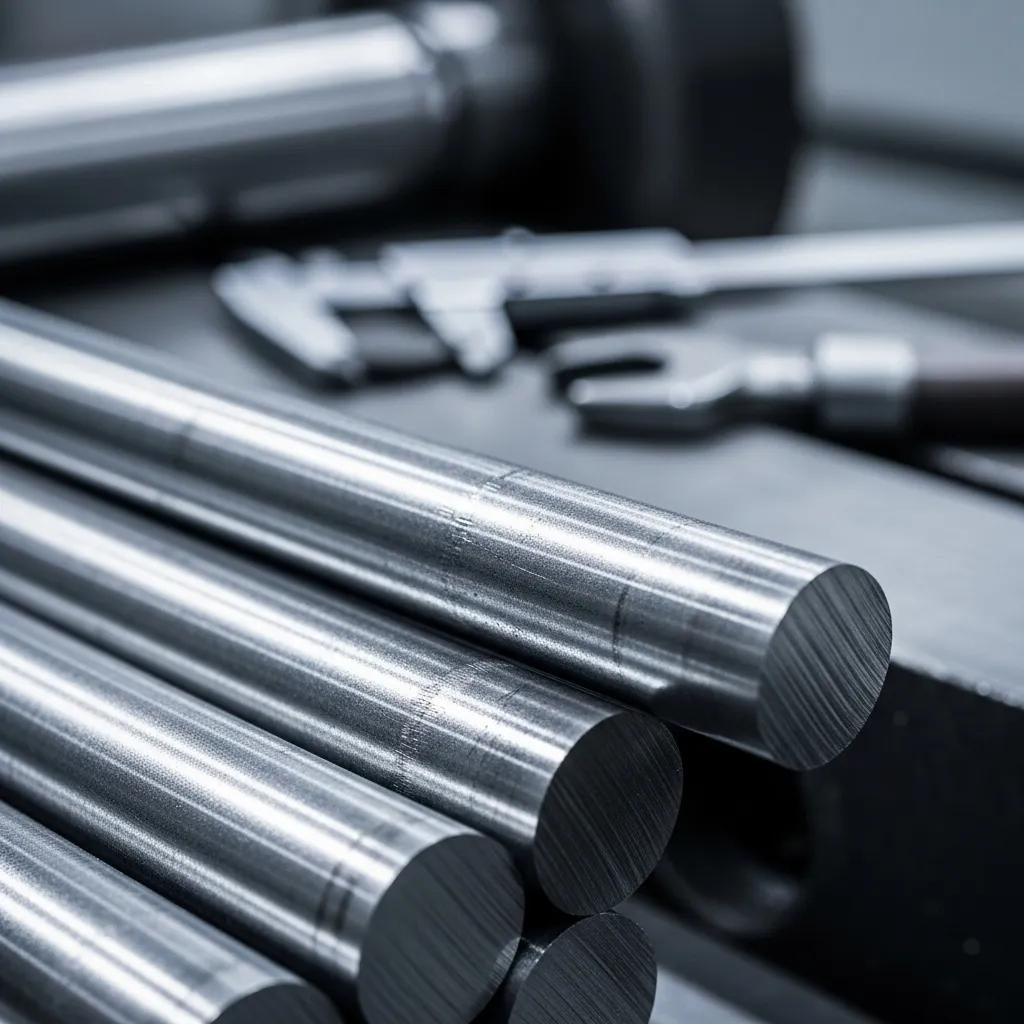
Things to Check Before Buying Carbon or Alloy Steel

Things to Check Before Buying Carbon or Alloy Steel

Things to Check Before Buying Carbon or Alloy Steel: A Practical Procurement GuideBuying carbon or alloy steel isn’t just about the lowest price per kilogram. It’s about matching chemistry, mechanical performance, standards documentation and supplier capability to your manufacturing needs. This guide gives procurement teams and business owners a clear checklist: how carbon and alloy…

16MnCr5 Steel: Properties, Heat Treatment & Case Hardening Uses

16MnCr5 Steel: Properties, Heat Treatment & Case Hardening Uses

16MnCr5 Steel — Properties, Heat‑Treatment Guidance and Case‑Hardening Applications16MnCr5 is a low‑alloy chromium‑manganese grade engineered for case hardening. With a modest base carbon level and targeted alloying additions, it accepts carburizing readily to form a hard, wear‑resistant surface over a tough, ductile core. This page breaks down the chemistry that makes 16MnCr5 responsive to carburizing,…

16MnCr5 vs 20MnCr5 Steel: Key Differences & Applications

16MnCr5 vs 20MnCr5 Steel: Key Differences & Applications

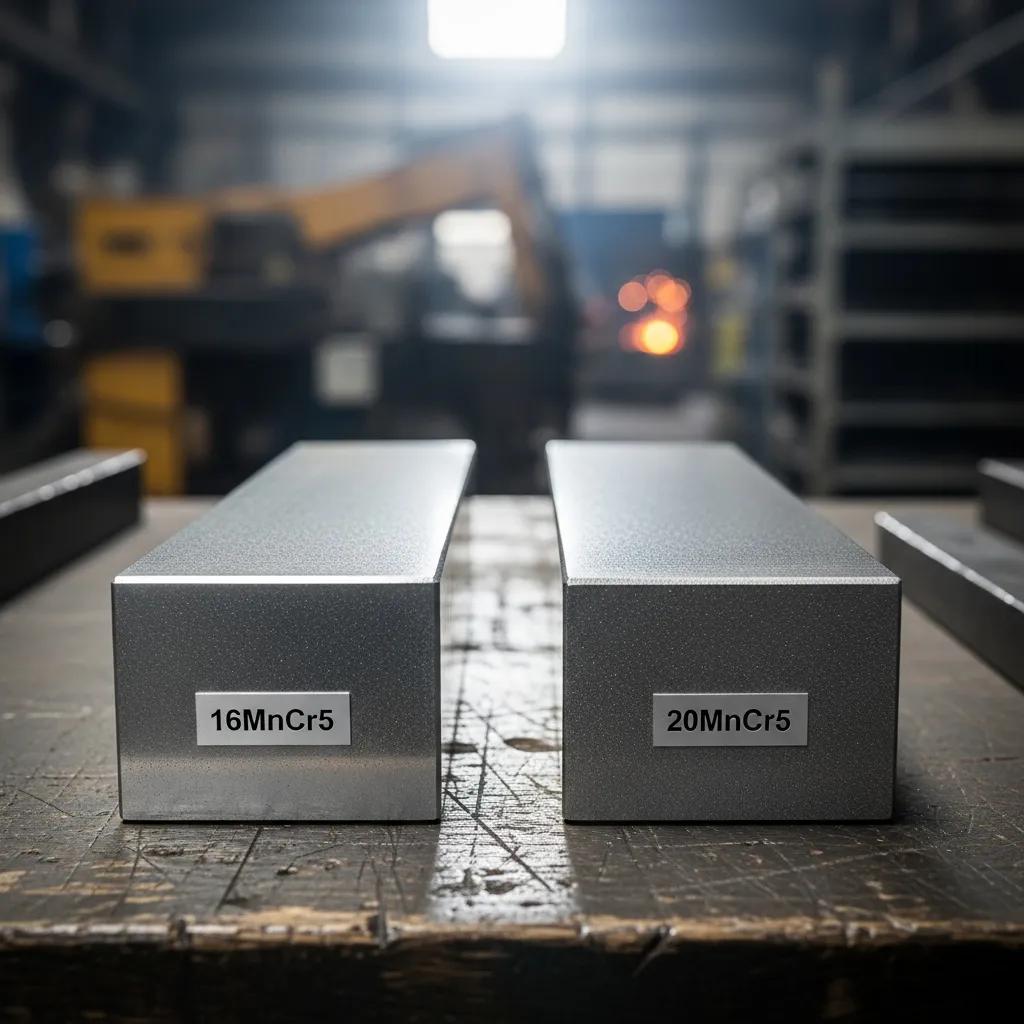
16MnCr5 vs 20MnCr5 — Practical Comparison & Application Guide for Case‑Hardening SteelsAt Dhand Steels, we work with both 16MnCr5 and 20MnCr5 regularly. Both grades are engineered for carburizing, quenching and tempering to produce a hard, wear‑resistant surface over a tough, ductile core. Design and procurement teams choose between them based on small—but important—differences in carbon…

IS 2062 E350 Steel: Strength, Load Capacity & Applications

IS 2062 E350 Steel: Strength, Load Capacity & Applications

IS 2062 E350 Steel: Practical Guide to Strength, Load Capacity, and Where Businesses Use ItIS 2062 E350 is a hot-rolled structural carbon steel grade under the Indian Standard where “E350” specifies a minimum yield strength of 350 MPa. This guide breaks down the grade’s defining features, mechanical properties, and practical implications so business owners, engineers,…

SAE 1030 Steel: Properties, Applications & Engineering Uses

SAE 1030 Steel: Properties, Applications & Engineering Uses

SAE 1030 Steel — Practical Guide to Properties, Applications and Engineering UsesSAE 1030 is a medium‑carbon steel grade commonly chosen where a reliable mix of strength, ductility and machinability matters. This guide lays out SAE 1030’s material definition, chemistry, and how that chemistry produces a ferrite–pearlite microstructure that delivers predictable tensile performance while remaining reasonably…

Understanding SAE, EN & IS Steel Standards

Understanding SAE, EN & IS Steel Standards

Understanding SAE, EN & IS Steel Standards — A Practical Guide to Grades and SpecificationsSteel standards define how metals are named, tested, and supplied. Knowing the differences between SAE, EN and IS reduces procurement risk, ensures the part performs as intended, and helps you write clearer specifications. This guide breaks down the logic behind each…

EN24 Steel: High Strength Alloy Steel for Heavy Engineering

EN24 Steel: High Strength Alloy Steel for Heavy Engineering

EN24 Steel — High‑Strength Alloy for Heavy Engineering: Properties, Applications and SupplyEN24 is a medium‑carbon Ni‑Cr‑Mo alloy engineered to deliver high tensile strength and dependable toughness in demanding components. As a high‑strength engineering steel, EN24’s alloying—nickel, chromium and molybdenum—improves hardenability, fatigue resistance and impact performance, making it a go‑to for heavily loaded shafts, gears and…

Selecting the Best Steel Grade? Tips for Industrial Success

Selecting the Best Steel Grade? Tips for Industrial Success

How to Choose the Right Steel Grade for Industrial Manufacturing — A Practical Selection GuideChoosing the right steel grade for an industrial project means aligning alloy chemistry, mechanical behaviour and fabrication limits with the part’s performance requirements. This guide breaks down what grade selection actually involves, why the right choice matters for safety, service life…

S20C Steel: Uses, Mechanical Properties & Machining Benefits

S20C Steel: Uses, Mechanical Properties & Machining Benefits

S20C Steel: Comprehensive Guide to Uses, Mechanical Properties, and Machining BenefitsS20C is a JIS-specified low‑carbon engineering steel chosen for parts that need a practical balance of strength, formability and excellent machinability. This guide walks through S20C’s chemistry, mechanical behavior, common applications, machining advantages and heat‑treatment options so engineers and buyers can match material performance to…

Dhand Steels

Setting up our base in the late 70’s, at Ludhiana (Punjab, India), we, “Dhand Steel Traders”, are successfully recognized as an eminent manufacturer, and supplier of a broad range of high precision premium quality straightened and aligned Bright Bars, Metal Bars, Alloy Steel Bright Bars and Special Shaped Bright Bars.

Get in touch

Working hours

  • Weekdays 9:00 – 18:00
  • Saturday 9:00 – 17:00
  • Sunday Closed

Follow Us

Call Now Button