The Science Behind Low Carbon Steels: Why Engineers Prefer Precision Over Price

The Science Behind Low Carbon Steels: Why Engineers Prefer Precision Over Price

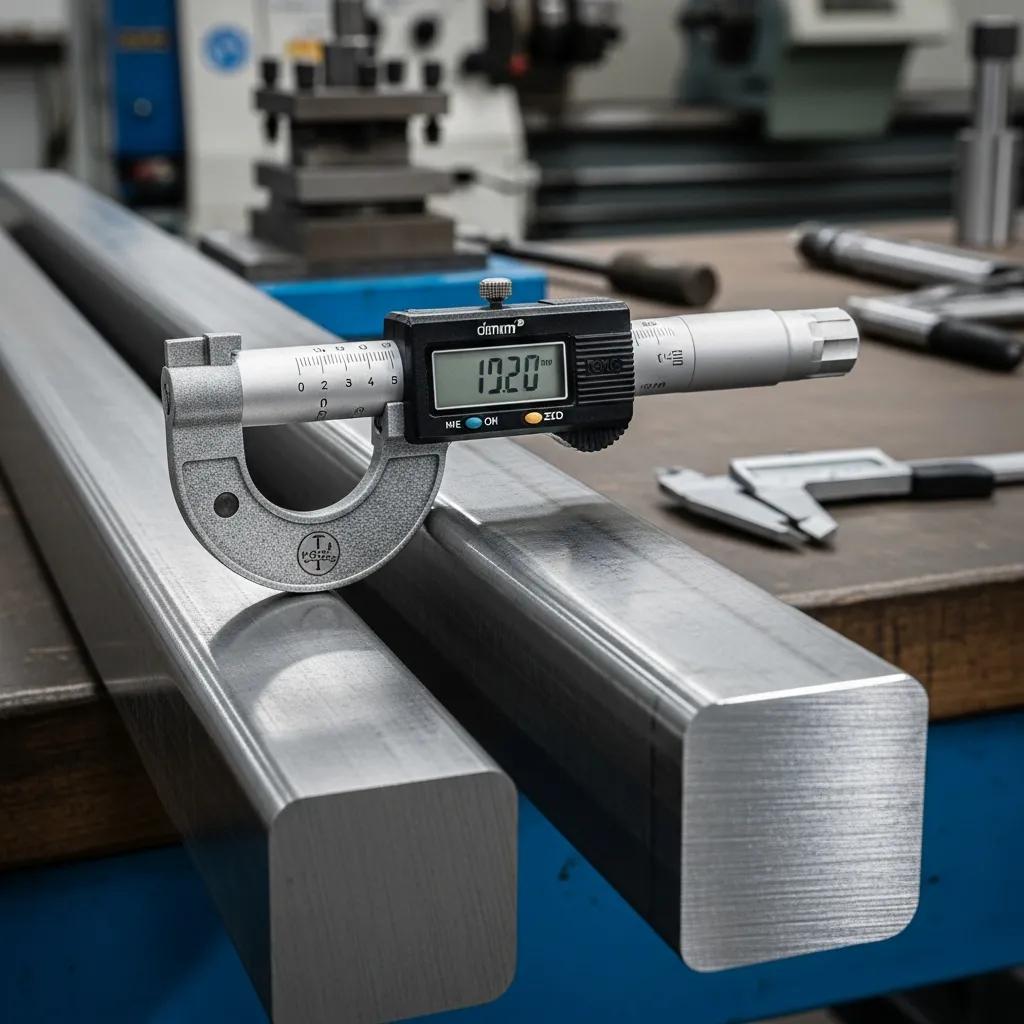
In modern engineering, material selection is a critical decision that balances cost, performance, and reliability. While many materials are available, experienced engineers often specify low carbon steel for applications demanding precision and durability. The conversation is not just about price; it's about performance. The distinct low carbon steel advantages—including exceptional ductility, weldability, and machinability—make it…

How India’s Steel Demand in 2025 Is Shaping Automotive Innovations

How India’s Steel Demand in 2025 Is Shaping Automotive Innovations

The Indian automotive sector is accelerating toward a new era, fueled by a projected surge in steel demand for 2025. This growth presents both a challenge and an opportunity for steel manufacturers. At the center of this industrial evolution is Dhand Steels, a company pioneering the supply of advanced steel solutions that are critical for…

EN16 Steel: Mechanical Properties & Applications in Shafts and Gears

EN16 Steel: Mechanical Properties & Applications in Shafts and Gears

EN16 Steel — Mechanical Properties and Practical Uses for Shafts & GearsEN16 is a medium‑carbon, manganese‑molybdenum alloy steel commonly specified for engineering parts that need a dependable mix of tensile strength, toughness and machinability. Manufacturers select it for shafts and gears because it is available as precision bright bars and responds predictably to heat treatment,…

C20 Steel: Chemical Composition, Strength & Common Uses

C20 Steel: Chemical Composition, Strength & Common Uses

C20 Steel — Complete Guide to Composition, Strength and Common UsesC20 is a low‑carbon engineering steel with roughly 0.20% carbon, chosen where a reliable balance of strength, ductility and machinability matters. This guide explains what C20 is, why its chemistry matters, and how those elements translate into tensile strength, hardness and real‑world performance for parts…

20MnCr5 Steel: Composition, Uses & Performance Advantages

20MnCr5 Steel: Composition, Uses & Performance Advantages

20MnCr5 Steel — Composition, Applications and Performance Benefits for Industrial Use20MnCr5 is a low‑carbon, case‑hardening alloy designed to give a wear‑resistant surface while keeping a tough, ductile core. The grade accepts added carbon at the surface during carburizing, creating a hard case and a resilient core — a practical combination for parts exposed to contact…

Carbon Steel vs Alloy Steel: Which Is Right for Your Application?

Carbon Steel vs Alloy Steel: Which Is Right for Your Application?

Carbon Steel vs Alloy Steel: Which One Fits Your Application?Carbon steel is a ferrous material where carbon is the main alloying element—its level largely controls hardness, ductility and tensile strength. Alloy steel covers ferrous grades that deliberately add elements like chromium, nickel and molybdenum to tune strength, corrosion resistance, wear life and heat tolerance. Picking…

IS 2062 E250 Steel: Properties, Uses & Structural Applications

IS 2062 E250 Steel: Properties, Uses & Structural Applications

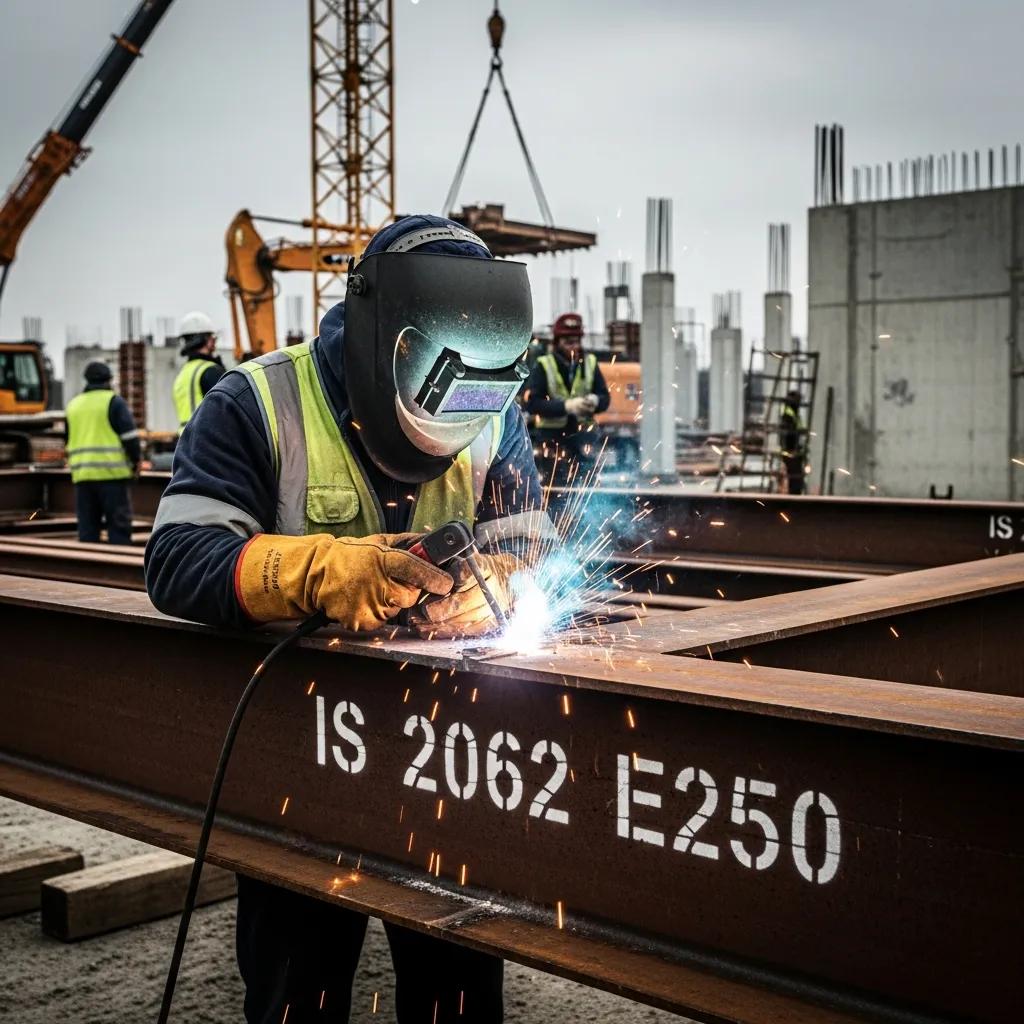
IS 2062 E250 Steel: Properties, Uses & Structural Applications ExplainedIS 2062 E250 is a commonly specified Indian structural steel grade with a guaranteed minimum yield strength of 250 MPa. It’s engineered to give a practical balance of strength, weldability and formability for everyday structural work. This guide walks engineers and procurement teams through E250’s key…

Unlocking the Secrets: Exploring the Chemical Composition of EN 19 Steel

Unlocking the Secrets: Exploring the Chemical Composition of EN 19 Steel

[et_pb_section][et_pb_row][et_pb_column type="4_4"][et_pb_text] Unlocking the Secrets: Exploring the Chemical Composition of EN 19 Steel EN 19 Steel has been a staple in various industries, thanks to its exceptional durability and strength. But have you ever wondered what makes this steel grade so special? In this article, we delve deep into the chemical composition of EN 19…

Steel vs Iron: Exploring the Key Differences and Their Impact on Structures

Steel vs Iron: Exploring the Key Differences and Their Impact on Structures

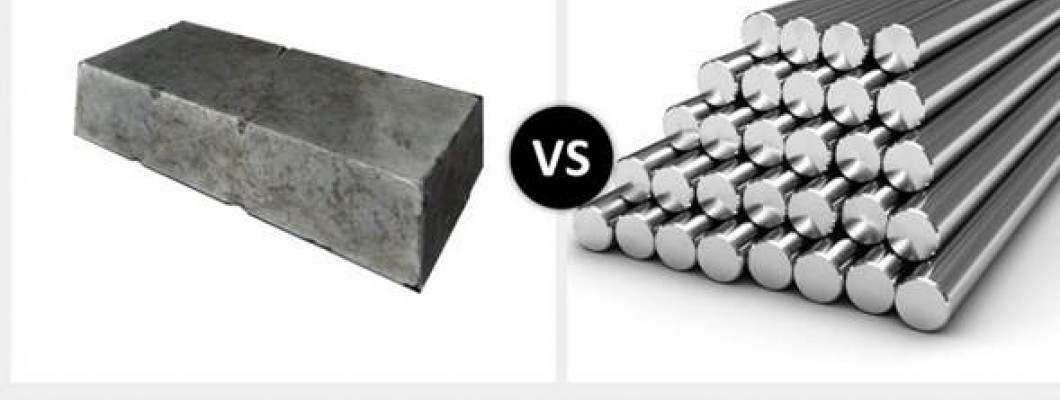
Steel vs Iron: Exploring the Key Differences and Their Impact on Structures When it comes to constructing sturdy and durable structures, the choice between steel and iron is a vital decision. Each material offers its own unique qualities that impact the strength and stability of a building. In this article, we will delve into the…

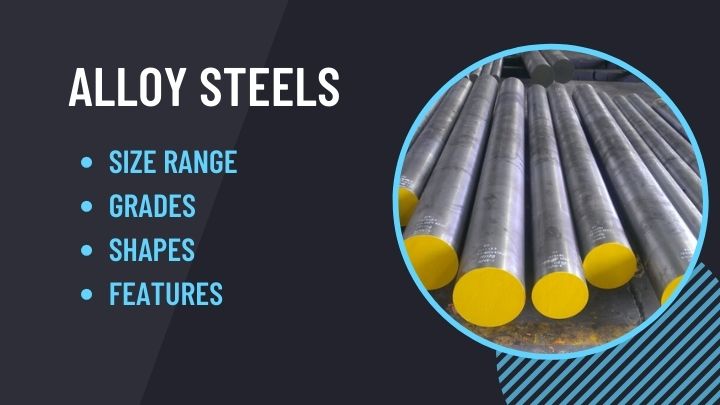
Alloy Steel, Size Range, Grades, Shapes and features

Alloy Steel, Size Range, Grades, Shapes and features

Alloy steel is prepared to contain alloying parts (for example manganese, silicon, nickel, titanium, copper, chromium, and aluminum) in factor extents to control the steel's properties, and esteem its hardenability, consumption obstruction, strength, formability, weldability, or flexibility. Steel is one among the chief flexible preparations inside the world, with a different change of natural properties…

Dhand Steels

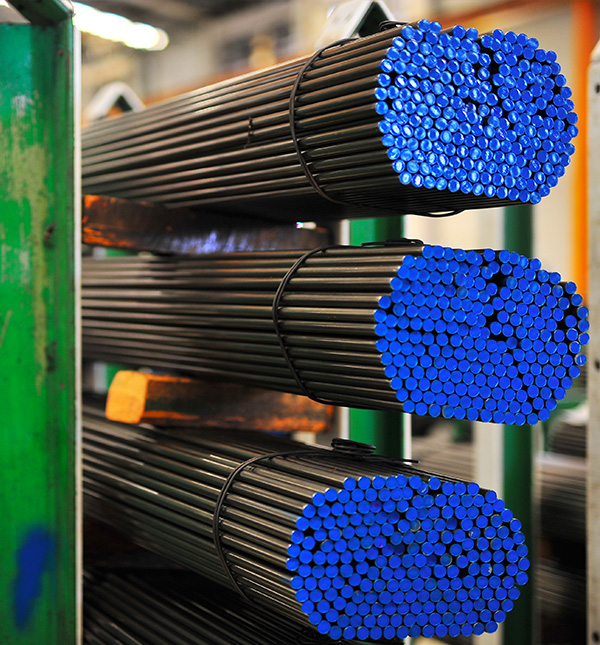
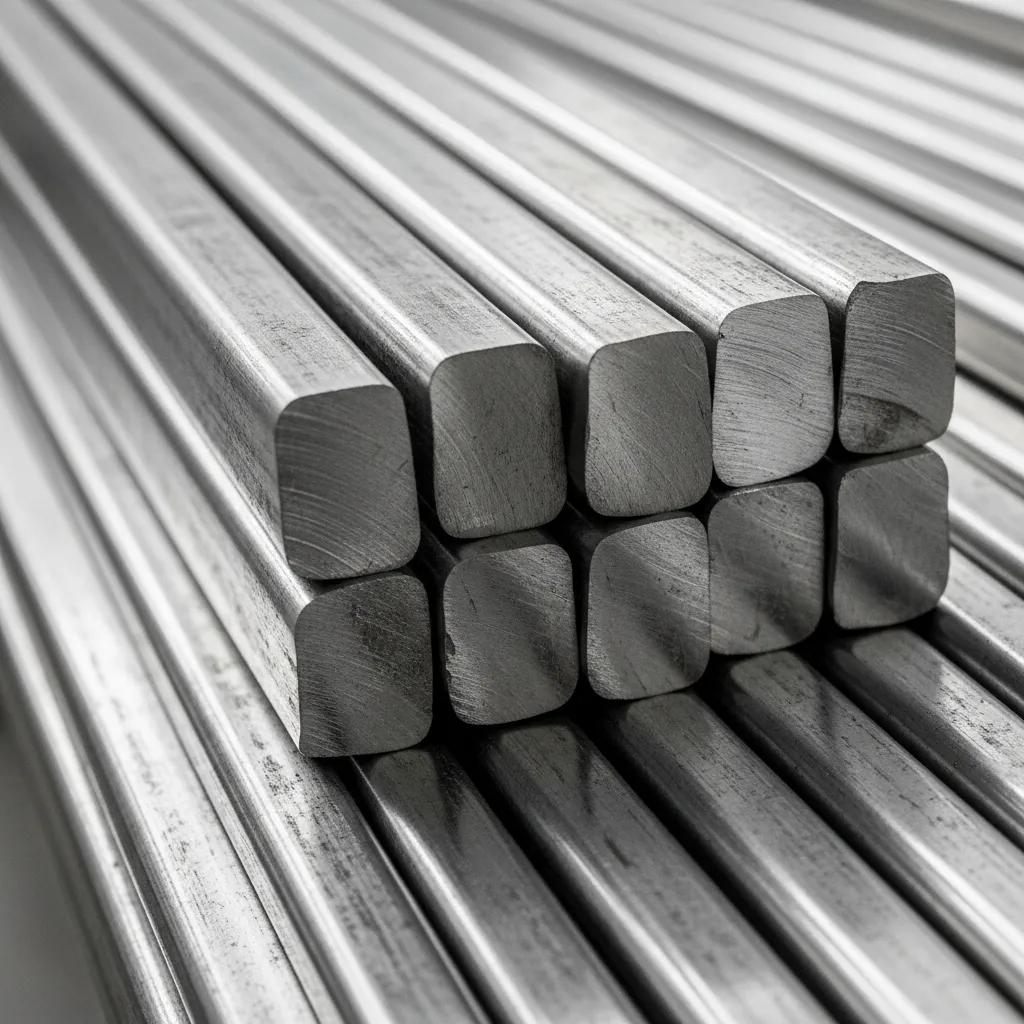
Setting up our base in the late 70’s, at Ludhiana (Punjab, India), we, “Dhand Steel Traders”, are successfully recognized as an eminent manufacturer, and supplier of a broad range of high precision premium quality straightened and aligned Bright Bars, Metal Bars, Alloy Steel Bright Bars and Special Shaped Bright Bars.

Get in touch

Working hours

  • Weekdays 9:00 – 18:00
  • Saturday 9:00 – 17:00
  • Sunday Closed

Follow Us

Call Now Button