
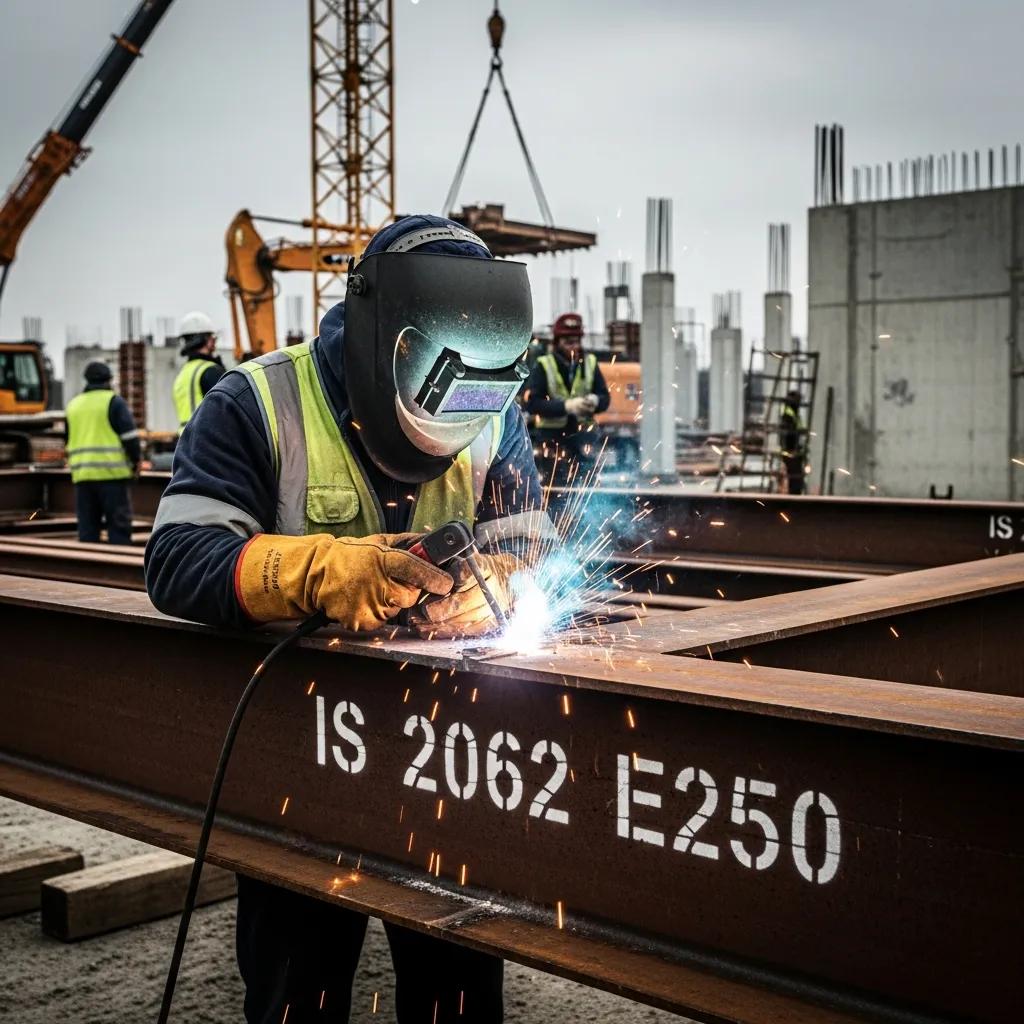
IS 2062 E250 Steel: Properties, Uses & Structural Applications Explained
IS 2062 E250 is a commonly specified Indian structural steel grade with a guaranteed minimum yield strength of 250 MPa. It’s engineered to give a practical balance of strength, weldability and formability for everyday structural work. This guide walks engineers and procurement teams through E250’s key properties, chemical makeup, mechanical behaviour, fabrication notes and typical uses so you can pick the right material for your project. You’ll learn what the E250 label means in Indian and international contexts, which elements control performance, how the grade performs during welding and forming, and where it’s normally specified in construction, manufacturing and heavy engineering. We also compare E250 to higher-strength options like E350 and explain supplier considerations — including how consistent testing and production reduce project risk. The sections that follow cover definition and significance, chemistry and sub‑grades with a compact composition table, mechanical properties and fabrication guidance, common applications, a direct E250 vs E350 comparison and supplier guidance showing how Dhand Steels produces and supplies IS 2062 E250 products.
What is IS 2062 E250 Steel and Why is it Important?
IS 2062 E250 is a carbon‑manganese structural steel under the IS 2062 standard that guarantees a minimum yield of 250 MPa. It’s chosen for a wide range of load-bearing members because it balances strength with ductility and straightforward weldability. In normal ambient conditions fabricators can form, weld and join E250 members without extensive preheat or complex post‑weld treatments. Its value comes from predictable mechanical behaviour, easy fabrication and cost-effectiveness for standard frames, connections and secondary members. Knowing the standard’s limits and sub‑grade options helps designers specify the right tests and documentation to meet safety and durability requirements — details we cover next when explaining what the E250 designation actually means.
What does IS 2062 E250 signify in structural steel standards?
IS 2062 is the Indian standard for hot‑rolled structural steel; the “E” series denotes yield classes. E250 requires a minimum yield strength of 250 MPa and has defined tensile and elongation criteria. The designation signals material intended for general structural use where weldability and formability are as important as strength, and it sets required chemical and mechanical tests. Treat E250 as a baseline: projects with seismic, fatigue or low‑temperature requirements may call for extra impact tests or higher ductility. Spotting these triggers early helps teams align drawings, procurement and test certificates — which we discuss further when mapping E250 to other national and international grades.
How does IS 2062 E250 fit within Indian and international steel grades?
Within the IS 2062 family, E250 sits in the lower‑to‑mid strength range, beneath higher yield classes like E350. It’s commonly used where there’s no need to aggressively reduce section sizes. International equivalents are typically mild carbon‑manganese structural steels with similar yield levels, but direct interchange isn’t automatic: you must compare tensile, impact and chemical limits because standards and testing practices vary. For cross‑border procurement always check the MTC (material test certificate) and equivalency clauses rather than assume grades are identical — heat treatments, notch toughness and chemical tolerances all affect fitness for purpose. Next, we examine composition and sub‑grade differences that govern those behaviours.
What are the Chemical Composition and Grades of IS 2062 E250 Steel?
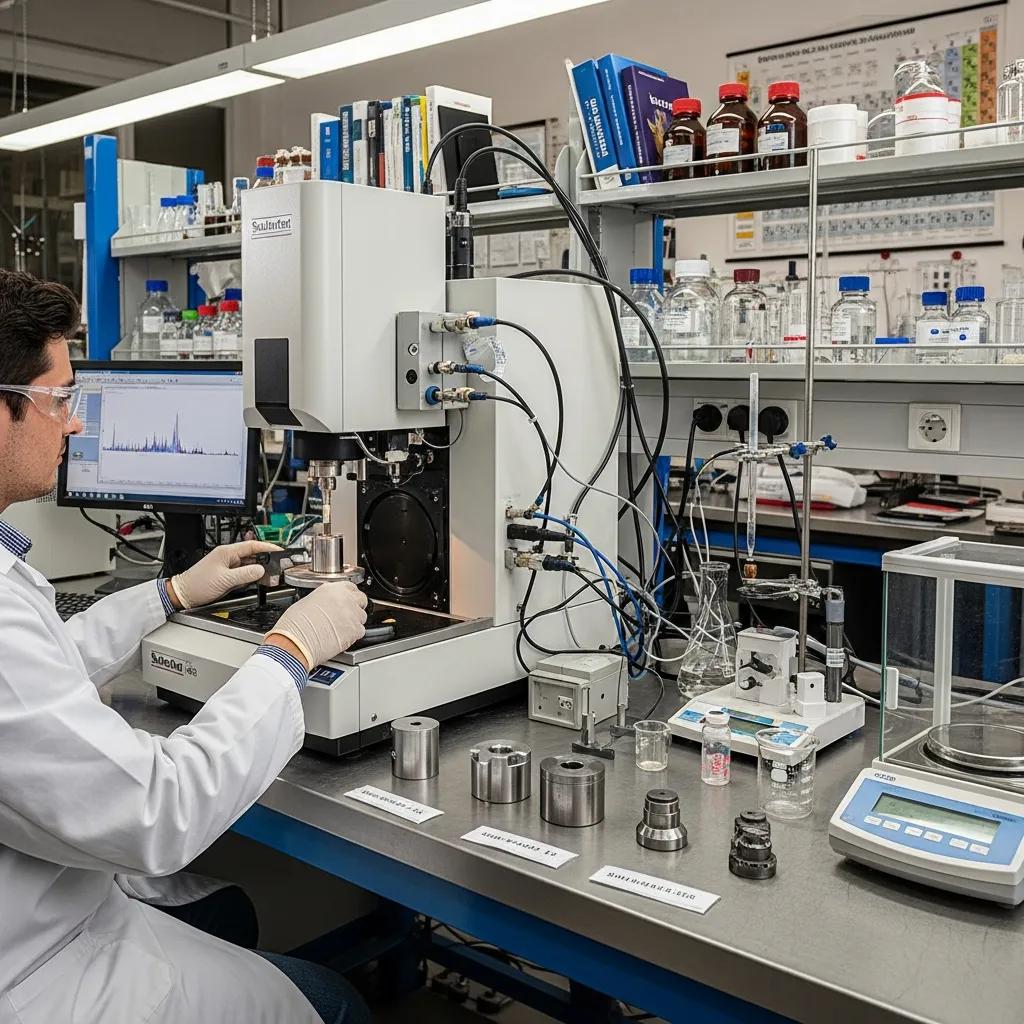
E250’s chemistry centers on controlled carbon and manganese with limits on silicon, sulfur and phosphorus to protect weldability and toughness while meeting the yield requirement. Carbon and manganese determine strength and hardenability; silicon helps deoxidation; low sulfur and phosphorus preserve ductility and reduce hot shortness. Sub‑grades such as E250A, E250BR, E250BO and E250C differ mainly by impact testing, rolling or processing route, and intended service environment — so specify the right sub‑grade for your operating conditions.
The composition table below lists typical limits and ranges used for E250 sub‑grades. Use these values as a checklist when you review MTCs and purchase orders.
| Element | Typical Limit / Range (wt%) | Role / Impact |
|---|---|---|
| Carbon (C) | ≤ 0.20 max | Primary control on strength and weldability; higher C increases strength but reduces weldability and ductility |
| Manganese (Mn) | 0.40 – 1.50 max | Raises tensile and yield strength; offsets some carbon effects and improves hardenability |
| Silicon (Si) | 0.05 – 0.40 max | Deoxidizer; small amounts add strength without significantly harming weldability |
| Sulfur (S) | ≤ 0.050 max | Kept low to avoid brittleness and hot shortness |
| Phosphorus (P) | ≤ 0.050 max | Low levels help retain ductility and toughness |
| Others (e.g., Cu, Ni) | Trace / per spec | Occasionally present for corrosion resistance or strength adjustments |
This overview shows how each element affects performance and where you should focus verification during procurement. Confirming these limits on the supplier’s MTC helps ensure the batch will meet fabrication and design expectations. Next we cover sub‑grade choices and selection guidance for different environmental or impact requirements.
What is the detailed chemical composition of IS 2062 E250?
Detailed composition for E250 focuses on low‑to‑moderate carbon and controlled manganese with silicon and strict sulfur/phosphorus limits to preserve weldability and toughness. In procurement practice carbon is checked first because it most strongly affects weldability and preheat needs; manganese follows as it influences strength and forming behaviour. Trace elements and residuals are monitored since combined impurities can reduce impact resistance in cold climates or under dynamic loading. Always match MTC values to project acceptance criteria so the selected heat is fit for the intended service.
How do sub-grades E250A, E250BR, E250BO, and E250C differ?
Sub‑grades vary mainly by impact‑test requirements, rolling/process history and intended service temperature. “A” variants are typically general‑purpose with standard impact testing; “BR” or “BO” indicate specific rolling or processing routes with defined toughness criteria and sometimes different heat histories. Specify sub‑grades to match impact temperature, fabrication needs and exposure conditions — choose a higher‑impact sub‑grade where low‑temperature toughness or dynamic loading is a concern. Correct sub‑grade selection avoids over‑ or under‑specifying material relative to safety and cost targets.
What are the Mechanical Properties and Fabrication Characteristics of IS 2062 E250?
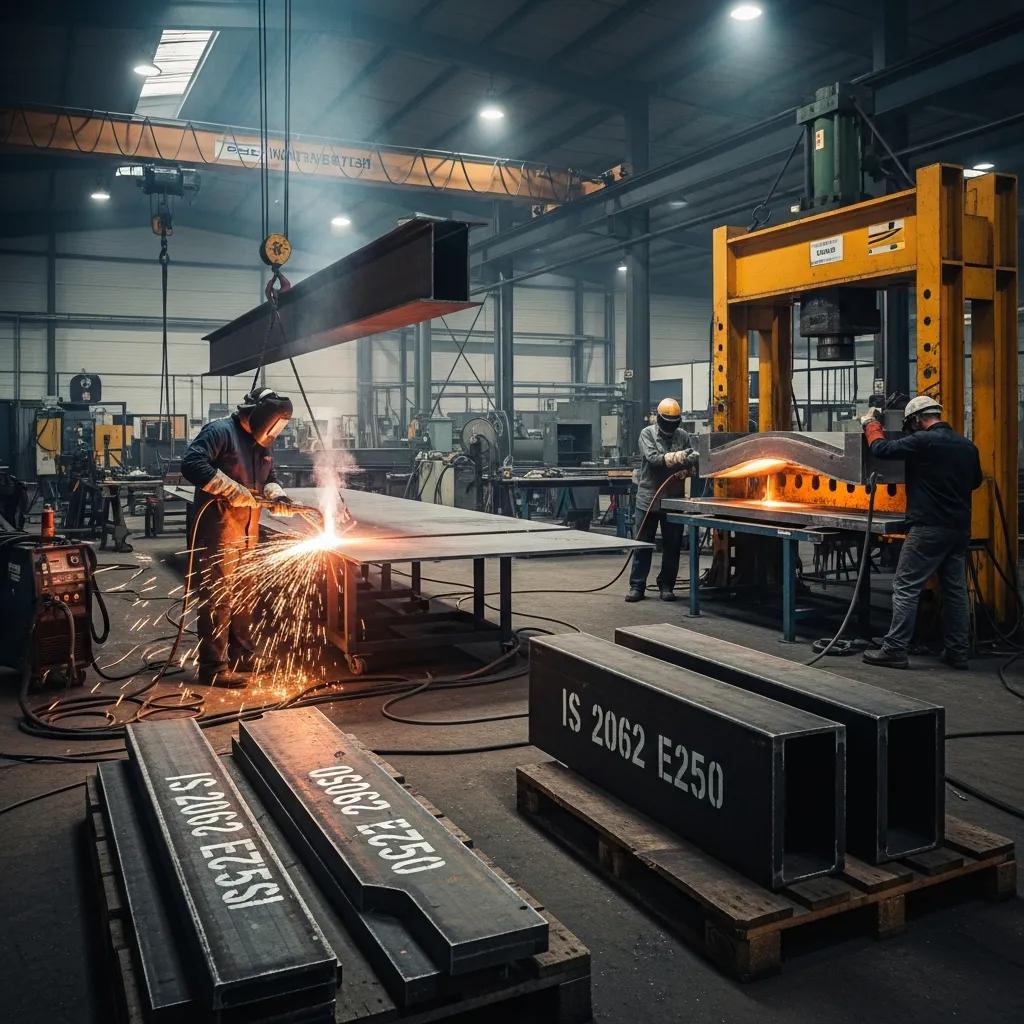
IS 2062 E250 delivers a predictable mechanical profile: minimum yield 250 MPa, a typical tensile range that provides reserve capacity, and elongation that supports ductile deformation and energy absorption. Those traits suit beams, columns, bracing and many fabricated parts where ductility and weldability matter. Fabrication — welding, cutting, machining and forming — depends on chemistry and thickness: E250 generally accepts standard welding processes without special consumables, though thicker sections or low ambient temperatures may require preheat or controlled cooling. The table below summarizes key mechanical metrics and practical notes for design and shop checks.
| Property | Requirement / Typical Range | Practical Implication |
|---|---|---|
| Yield Strength | Min 250 MPa | Used for section sizing and allowable stress calculations |
| Tensile Strength | 410–540 MPa typical | Provides ductile reserve; always check the supplier MTC for batch values |
| Elongation (A%) | ≥ 20% typical (dependent on thickness) | Supports ductile behaviour and energy absorption under overload |
| Toughness / Impact | Sub-grade dependent | Choose sub‑grade with suitable impact temperature for cold or dynamic service |
| Weldability | Good with standard electrodes | Permits MIG, SMAW and common consumables; thicker sections may need preheat |
What are the key mechanical properties of IS 2062 E250?
Key items to verify are the guaranteed minimum yield (250 MPa), the batch tensile range (commonly 410–540 MPa) and adequate elongation for ductile performance. These values affect section design, connection detailing and safety factors, and determine if E250 suits fatigue‑sensitive or dynamic parts. Request batch tensile and elongation figures on the MTC and confirm impact tests where specific toughness temperatures are required. Clear mechanical targets during procurement reduce the risk of unsuitable deliveries and avoid costly rework.
How do weldability and formability affect IS 2062 E250’s usability?
Weldability is a strong point for E250: controlled carbon equivalent keeps common welding processes straightforward without complex preheat for typical plate and section thicknesses. Formability benefits from good ductility for cold bending and roll‑forming. For thick sections or low ambient temperatures assess carbon equivalent and consider preheat or post‑weld stress relief to protect the heat‑affected zone. Fabricators should plan bend radii and cold‑forming limits based on thickness and elongation — exceeding safe limits risks cracking. Best practice: specify compatible consumables and request MTCs to confirm heat history and mechanicals before fabrication begins.
Where is IS 2062 E250 Steel Used in Structural and Industrial Applications?
IS 2062 E250 is used widely across construction and industry for structural members and fabricated parts where moderate strength, reliable weldability and cost efficiency are priorities. Sectors include building construction, industrial frames, machinery bases, light‑ to medium‑duty cranes and gantries, agricultural equipment and some automotive or rail sub‑assemblies where ultra‑high strength isn’t needed. The grade’s balance makes it suitable for many secondary members and appropriate primary members when combined with correct design factors and connections. The examples below show when E250 is a sensible, economical choice compared with specifying higher‑strength steel.
The following highlights common uses where E250 is frequently specified:
- Structural framing members: Beams, columns and purlins for low‑ to medium‑rise buildings where ductility and weldability are required.
- Bracing and secondary steelwork: Bracings, gussets and connection plates that benefit from good formability and straightforward welding.
- Machinery frames and supports: Fabricated bases, supports and general‑purpose frames for manufacturing equipment.
These examples show E250’s versatility for routine structural tasks where predictable mechanical behaviour and cost control matter. The next section gives more construction examples and specification rationale.
What are the primary construction applications of IS 2062 E250?
In construction, E250 is commonly used for beams and columns in small‑ to medium‑span structures, purlins, rafters, bracing members and connection plates. Designers select E250 for cost‑sensitive projects that use standard detailing and fabrication methods and where the environment or loading doesn’t require enhanced toughness. Typical projects include industrial sheds, commercial frames, mezzanines and secondary framing using standard bolted and welded connections. Confirming thicknesses, connection details, weld procedures and MTCs ensures E250 members perform as intended.
How is IS 2062 E250 utilized in manufacturing, automotive, and heavy engineering?
In manufacturing and light heavy engineering, E250 is used for chassis sub‑frames, equipment frames, low‑stress shafts and fabricated parts such as brackets and couplings where machinability and weldability matter more than ultra‑high strength. Automotive uses are generally non‑critical sub‑assemblies or prototypes where formability and cost are priorities; heavy engineering reserves E250 for components that don’t face extreme dynamic loads or high notch toughness demands. Common product forms supplied include plates and bright bars (round, hex, square), letting manufacturers choose shapes that minimise machining. Matching product form to manufacturing routes reduces time and cost while preserving component integrity.
How Does IS 2062 E250 Compare to Other Steel Grades Like E350?
Comparing E250 with higher‑strength grades like E350 highlights trade‑offs: yield/tensile strength, ductility, weldability and cost. E350 offers roughly 350 MPa yield, which can reduce section sizes or weight, but it may require stricter welding control, have lower elongation and increase material and fabrication costs. E250 stays attractive where ductility, easy fabrication and lower material cost outweigh the benefits of slimmer sections. The comparison table below helps design and procurement teams choose the appropriate grade based on structural needs, fabrication capability and budget.
| Grade | Strength (Yield / Typical Tensile) | Ductility / Toughness | Weldability / Fabrication | Cost & Use Cases |
|---|---|---|---|---|
| E250 | 250 MPa min / 410–540 MPa | Higher elongation; better ductility | Easier welding with standard consumables | More economical; ideal for general structural members |
| E350 | 350 MPa min / higher tensile | Lower elongation; may require toughness checks | Requires careful procedures and possible preheat | Suited for reduced‑section designs and high‑strength needs |
| Selection Guidance | Use E250 for fabrication ease and cost sensitivity | Use E350 for weight‑critical, performance‑driven designs | Balance grade choice with connection design and fabrication capability | Pick the grade that meets design loads with minimal fabrication risk |
What are the differences between IS 2062 E250 and E350 in strength and ductility?
E350 offers about 100 MPa higher guaranteed yield than E250, enabling smaller cross‑sections for the same load but often at the cost of reduced elongation and possibly lower impact resistance unless toughness is addressed. Ductility differences influence how members deform under overload and affect connection detailing; E250’s higher elongation usually provides greater energy absorption before fracture. Welding E350 can demand tighter controls because higher carbon equivalents may call for controlled preheat and post‑weld treatments to avoid hydrogen‑induced cracking. These practical differences guide whether to prioritise weight savings or fabrication simplicity.
Which applications are best suited for E250 versus E350?
E250 is well suited to cost‑sensitive structural work, secondary members and general fabrication where standard welding and forming are sufficient and where sections aren’t aggressively optimised for weight. E350 fits reduced‑section primary members, long‑span elements or projects where weight savings justify tighter welding controls and higher material costs. Examples: choose E250 for warehouse frames, bracings and equipment bases; choose E350 for long‑span roof trusses, high‑rise cores where section reduction matters, or where codes call for higher yield classes. Balancing design goals, fabrication capability and life‑cycle costs leads to the right selection.
How Does Dhand Steels Manufacture and Supply High-Quality IS 2062 E250 Steel?
Dhand Steels is a privately owned manufacturer, supplier and exporter of high‑precision bright bars and related steel products from Ludhiana, Punjab. We offer IS 2062 E250 across product forms suited to common fabrication needs — bright bars, round, hex and square bars — so purchasers can choose geometries that reduce machining and assembly. Dhand Steels focuses on customer service, grade availability and efficient supply. We encourage buyers to request material test certificates and samples to confirm batch compliance before ordering. For procurement enquiries or quotes, use the corporate contact details to discuss specifications, lead times and verification steps.
What manufacturing processes ensure precision and quality in IS 2062 E250 bright bars?
Precision bright bars are produced by controlled hot rolling followed by cold drawing or straightening and strict dimensional inspection to meet tolerances and surface‑finish requirements. Our quality control includes chemical analysis, tensile and elongation testing and, where required by the sub‑grade, impact testing — all recorded on the MTC that accompanies shipments. Dimensional checks, surface inspections and careful packing minimise transit damage and protect metallurgical quality. Asking for MTCs and sample pieces lets buyers validate that supplied bright bars meet both chemical and mechanical expectations for their applications.
Why choose Dhand Steels for sourcing IS 2062 E250 steel in India?
Dhand Steels offers focused advantages that matter to procurement teams: precision bright bars, a wide grade range for multiple sectors, and responsive customer support to match specifications. Our product forms — bright, round, hex and square bars — align with common manufacturing and structural needs to reduce downstream machining. Buyers can request material test certificates and sample checks to support quality assurance and compliance before placing large orders. For quotes or technical clarifications, contact our team via the listed corporate email addresses or phone numbers to start specification review, sample orders and lead‑time planning.
- Key contact points for procurement: Use our corporate emails to request MTCs and technical datasheets for specific heat numbers.
- Product form selection: Choose bright or round bars when dimensional accuracy and finish matter to reduce machining.
- Verification steps: Always request sample pieces and accompanying certificates to confirm chemical and mechanical conformity before bulk ordering.
Frequently Asked Questions
What are the advantages of using IS 2062 E250 steel in construction?
E250 offers a reliable balance of strength, ductility and weldability, making it well suited to beams, columns and many structural components. Its cost‑effectiveness helps control project budgets while standard fabrication techniques remain applicable, reducing the need for specialised equipment or procedures. In short, E250 is a dependable, economical choice for many routine structural applications.
How does the environmental impact of IS 2062 E250 steel compare to other materials?
E250 typically has a lower production energy footprint than some higher‑strength steels because it requires fewer alloying additions and less intensive processing. Its common use in non‑high‑strength applications can reduce material waste and manufacturing emissions, and like most steels it is recyclable at end of life. Using E250 where appropriate can therefore support more sustainable construction choices without compromising structural needs.
What are the common challenges faced when fabricating IS 2062 E250 steel?
Fabrication challenges include managing the heat‑affected zone during welding on thicker sections — which may need preheat — and meeting tight dimensional or surface‑finish tolerances for precision parts. Different E250 sub‑grades have varying impact toughness, so designers and fabricators must coordinate to select the correct variant. Early collaboration between design and shop teams helps avoid surprises and keeps projects on schedule.
What testing methods are recommended for IS 2062 E250 steel?
Recommended tests include tensile testing to confirm yield and tensile strengths, elongation tests for ductility and impact testing where low‑temperature toughness is required. Chemical analysis is essential to verify elemental limits. All tests should be documented on the material test certificate (MTC) to provide traceable assurance of quality and performance. Regular QC during production maintains consistency across batches.
How does the cost of IS 2062 E250 compare to other steel grades?
E250 is generally less expensive than higher‑strength grades like E350, making it attractive for cost‑sensitive projects. While E350 delivers higher strength, it often brings greater material and fabrication costs due to stricter welding and testing requirements. Where high strength isn’t essential, E250 offers a practical balance of performance and affordability that helps manage overall project costs.
What are the best practices for sourcing IS 2062 E250 steel?
Best practices include verifying supplier credentials, requesting MTCs and ordering samples for inspection before large purchases. Review the supplier’s QC processes and confirm the product form and tolerances you need. Clear communication on project requirements and timelines helps ensure the material delivered matches expectations and arrives on schedule.
Conclusion
IS 2062 E250 provides a practical mix of strength, ductility and weldability that makes it a go‑to choice for many structural and manufactured components. Its cost‑effectiveness and ease of fabrication make it particularly useful where standard detailing and fabrication methods apply. Understanding E250’s properties, sub‑grades and testing needs lets engineers and procurement teams specify material with confidence. For reliable supplies of IS 2062 E250, contact Dhand Steels to discuss grades, sample checks and delivery options.


Comments
0 Comment On Post