
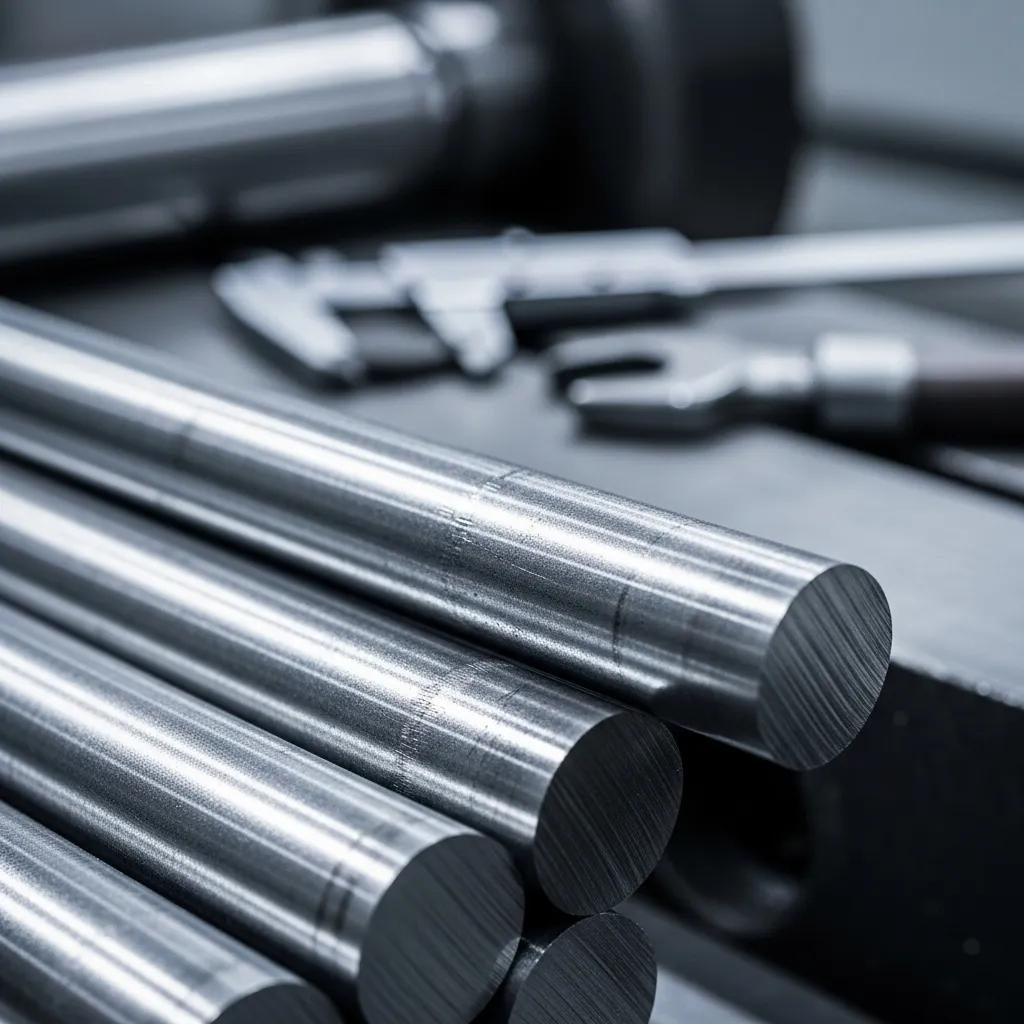
EN19 Steel — High‑Tensile Cr–Mo Alloy: Properties, Uses and Industrial Applications
EN19 is a high‑tensile chromium–molybdenum alloy steel engineered for demanding engineering parts that need a careful balance of strength, toughness and wear resistance. This guide breaks down EN19’s chemistry, mechanical performance, heat‑treatment routes, common international equivalents and the industrial uses that make it a preferred grade for shafts, gears and heavy components. You’ll find typical element ranges and why each alloying addition matters, practical mechanical bands for design, recommended quench‑and‑temper cycles to reach target hardness and toughness, plus procurement notes when comparing EN19 with AISI 4140, 42CrMo4 and similar steels. We also cover measures to extend fatigue life and wear resistance, and a short vendor note on sourcing EN19 bright and round bars.
What is EN19 Steel and Its Chemical Composition?

EN19 is a medium‑alloy Cr–Mo steel specified for high‑tensile applications where hardenability and tempering stability are required. Its performance comes from a controlled carbon level plus chromium and molybdenum additions that boost hardenability and high‑temperature strength. After a correct quench‑and‑temper cycle it develops a tempered martensitic microstructure, delivering the strength, toughness and wear resistance designers expect. EN19 machines well when supplied as bright bars or turned stock and responds predictably to standard heat treatments, which is why it’s often chosen over other Cr–Mo steels for rotating and load‑bearing parts.EN19
This table summarises typical chemical ranges and the role each element plays in EN19 performance.
| Element | Typical % Range | Role in EN19 |
|---|---|---|
| Carbon (C) | 0.17–0.24 | Provides hardenability and achievable hardness after quenching; controls strength but affects toughness if excessive |
| Chromium (Cr) | 0.80–1.10 | Increases hardenability and wear resistance; forms carbides that support tempering stability |
| Molybdenum (Mo) | 0.15–0.30 | Improves toughness, creep resistance, and tempering resistance; refines grain and supports fatigue life |
| Manganese (Mn) | 0.40–0.70 | Enhances hardenability and tensile strength; acts as a deoxidizer during production |
| Silicon (Si) | 0.10–0.40 | Improves strength and assists deoxidation; contributes to tempering response |
Viewed together, these alloying elements make EN19 a Cr–Mo high‑tensile steel whose predictable response to heat treatment produces tempered martensite — the core reason for its strength/toughness balance. Knowing what each element does helps engineers select the right processing route and heat‑treat schedule for a given component.
What elements make up EN19 steel and their roles?
The principal elements in EN19 — carbon, chromium, molybdenum, manganese and silicon — work in concert to create a steel optimised for quench‑and‑temper processing. Carbon sets baseline hardenability and potential hardness after quench; EN19 keeps carbon moderate to balance strength and ductility. Chromium forms carbides and raises hardenability for deeper martensite formation and improved wear resistance. Molybdenum adds tempering resistance and toughness, particularly valuable under sustained loads or elevated temperatures. Manganese and silicon support deoxidation and strengthen the matrix, refining microstructure and improving heat‑treat response.
This elemental overview leads to a closer look at how chromium and molybdenum specifically influence performance under cyclic and high‑stress conditions.
How does chromium and molybdenum enhance EN19 steel properties?
Chromium increases hardenability by slowing transformation to pearlite during cooling, enabling deeper martensite after quenching and improving surface hardness and wear resistance after tempering. Molybdenum complements chromium by reducing temper softening and boosting elevated‑temperature strength, which helps with creep resistance and fatigue life under fluctuating loads. Together Cr and Mo promote fine carbide distributions and a tempered martensitic microstructure that resists crack initiation and growth — a key reason EN19 is chosen for gears, shafts and high‑load fasteners where tempering stability matters.
These microstructural benefits guide heat‑treatment choices used to balance hardness and toughness, described next.
What Are the Mechanical Properties of EN19 Steel?
EN19 offers a practical mix of tensile strength, yield, hardness and impact resistance after quench and temper. Actual values depend strongly on the heat‑treatment path and final temper target, so the ranges below give procurers and designers a realistic performance window to compare with service requirements. These numbers also indicate where additional processing — shot‑peening, surface treatments or case‑hardening — may be needed to meet fatigue or wear targets.
Key mechanical properties designers check when specifying EN19 and what they mean for component performance are listed here.
- Tensile Strength: Typical tensile strength ranges and application context.
- Yield Strength: Elastic limit values relevant to static loading calculations.
- Elongation and Reduction of Area: Ductility measures affecting forming and shock resistance.
- Hardness (Brinell/Rockwell): Post‑treatment hardness ranges used for wear and contact stress design.
- Impact Toughness: Charpy guidance for shock‑prone components.
These attributes feed directly into material selection and heat‑treatment choices for parts exposed to dynamic loading and abrasive conditions, as shown in the table and subsequent notes.
| Property | Typical Range / Value | Test Standard / Notes |
|---|---|---|
| Tensile Strength (UTS) | 850–1,100 MPa (post quench & temper) | Measured per tensile test; varies with temper temperature |
| Yield Strength (0.2% offset) | 600–900 MPa | Design guidance for static loads |
| Elongation (A%) | 12–18% | Higher elongation at lower hardness; important for shock loading |
| Hardness (HB / HRC) | 250–300 HB (≈ 25–32 HRC) | Typical quenched & tempered targets; higher hardness possible with lower temper |
| Impact Toughness (Charpy V) | Moderate; application-specific | Values depend on temper and section size; check supplier data for thick sections |
This mechanical snapshot shows how EN19 balances strength and toughness once correctly heat treated, setting expectations for designers who must reconcile hardness with fatigue and impact performance.
What is the tensile strength and toughness of EN19 steel?
Properly quenched and tempered EN19 typically reaches a UTS of about 850–1,100 MPa, depending on tempering temperature and section size. Toughness, assessed by Charpy testing, varies with carbon content, thickness and temper schedule — expect moderate to good values with an appropriate temper cycle. This strength/toughness balance enables EN19 components to carry significant static loads while resisting brittle fracture under impact. For critical parts, engineers should apply suitable safety factors and perform qualification tests in the intended service conditions.
Understanding tensile and toughness behaviour points directly to wear and fatigue considerations that control part life and maintenance intervals.
How does EN19 steel perform in wear resistance and fatigue strength?
Wear resistance in EN19 is primarily a function of surface hardness and microstructure; increased martensite content raises abrasive and sliding wear resistance, while tempered martensite preserves toughness to avoid brittle failure. Fatigue strength depends on surface finish, residual stress state and features that act as stress concentrators. Common improvements include shot‑peening, case‑hardening or careful machining to remove notches. In rotating applications, balancing temper hardness with compressive surface residual stresses can significantly extend service life versus untreated parts. These mitigation strategies are essential for gears and shafts where wear and fatigue govern reliability.
Choices to improve fatigue and wear feed back into the heat‑treatment decisions detailed next.
How Is EN19 Steel Heat Treated to Optimize Performance?
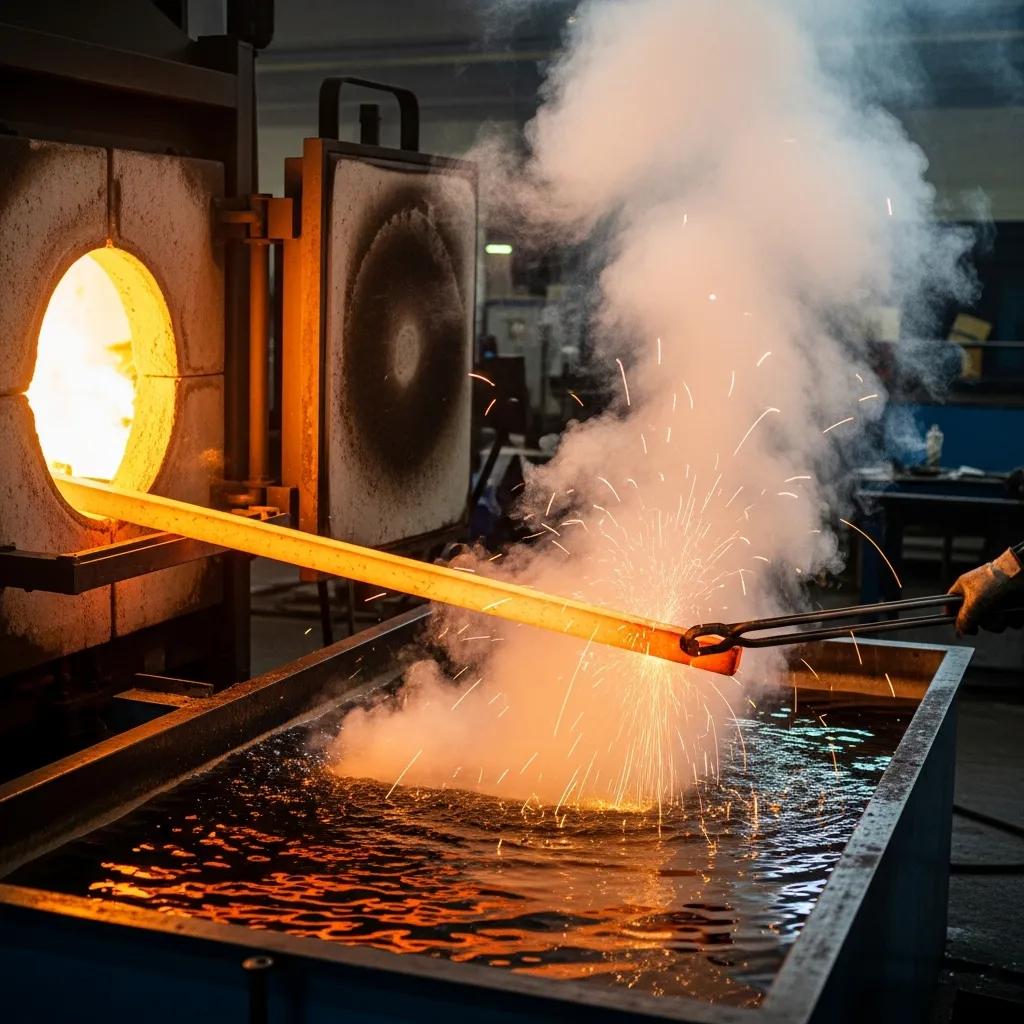
Heat treatment tailors EN19’s microstructure and mechanical profile. Typical operations include annealing for machinability, normalizing to refine grains, hardening (austenitizing and quenching) to form martensite, and tempering to reach the target strength/toughness balance. The sequence is straightforward: austenitise to dissolve carbides, quench to form martensite, then temper to reduce brittleness while keeping strength. Choice of temperature and quench medium depends on section size — oil quenching is common for medium sections — and good process control plus post‑treatment stress relief reduce distortion and cracking risk.
The list below summarises the primary heat‑treatment steps for EN19 and why each is used.
- Annealing: Softens material for machining; lowers hardness and relieves internal stresses before final heat treatment.
- Normalizing: Refines grain structure and produces a uniform microstructure ahead of hardening; useful for forgings and cast billets.
- Hardening (Austenitizing + Quench): Produces martensite for high strength; quench medium choice (oil/water) affects hardenability and crack risk.
- Tempering: Reduces brittleness, restores toughness and stabilises dimensions; temper temperature defines the final hardness and ductility.
Choosing the right sequence and parameters ensures EN19 meets fatigue demands and dimensional stability for its intended use.
| Process | Typical Temperature Range | Purpose / Effect |
|---|---|---|
| Annealing | 680–720°C, slow cool | Softens steel for machining and relieves stresses |
| Normalizing | 840–880°C, air cool | Refines grain and homogenizes microstructure |
| Hardening (Austenitize) | 840–880°C, quench (oil/water) | Forms martensite for high strength |
| Tempering | 500–650°C, air cool | Adjusts hardness/toughness; higher temp = greater toughness and lower hardness |
This heat‑treatment chart is a practical reference for process engineers planning EN19 cycles — each choice trades off hardness, toughness, distortion and cost.
What are the key heat treatment processes for EN19 steel?
The key steps are annealing, normalizing, hardening (austenitizing and quenching) and tempering — each plays a defined role. Annealing improves machinability and reduces residual stress. Normalizing creates a uniform, finer grain structure before hardening. Hardening creates the martensitic matrix required for high tensile strength, and tempering then adjusts the hardness/toughness balance. Strict process control — soak times, cooling rates and section‑aware protocols — is essential to avoid quench cracking and to produce consistent, repeatable properties.
Knowing these roles helps procurement specify condition states like “quenched and tempered to X HRC,” which is useful when comparing equivalent grades.
How do annealing, normalizing, hardening, and tempering affect EN19 steel?
Annealing reduces hardness and increases ductility for easier machining, but the part must be re‑treated before final service. Normalizing refines the grain structure and improves uniform hardenability for subsequent quenching — important for forgings and uneven sections. Hardening raises strength and hardness through martensite formation but introduces internal stresses that tempering must relieve. Tempering lowers hardness to a usable level while restoring toughness; selecting temper temperature is the principal lever to tune fatigue resistance versus wear performance. For more information, refer to EN8 bright bars.
These trade‑offs also influence substitution choices when matching EN19 to other international grades.
What Are the Equivalent Grades and Comparative Analysis of EN19 Steel?
EN19 is commonly mapped to other Cr–Mo steels used worldwide, but exact equivalence depends on whether you match chemistry, mechanical targets or heat‑treatment condition. The table below shows common standards and practical notes where EN19 aligns with AISI/SAE and EN/DIN grades. Procurement should compare required mechanical criteria and service conditions rather than rely solely on grade name — small differences in chemistry or tolerances can change hardenability and tempering response. For critical applications always request certificates and test reports.
| Standard | Equivalent Grade | Key Differences / Notes |
|---|---|---|
| AISI/SAE | 4140 (approx.) | Similar Cr–Mo family; verify carbon and Mo ranges and heat‑treatment targets |
| EN/DIN | 42CrMo4 | Comparable in composition and application; check mechanical spec and tempering requirements |
| BS | EN19 (BS naming) | BS uses historical naming; cross‑check chemical and mechanical clauses for exact match |
This equivalence map helps procurement compare EN19 with common international designations, but buyers must validate mechanical properties and heat‑treatment condition before substituting.
Which international standards correspond to EN19 steel?
EN19 sits in the Cr–Mo alloy family and is often compared with AISI 4140 and EN/DIN 42CrMo4 because of similar alloying and application space. The general chemistry aligns, but exact match requires checking tolerances and mechanical clauses in each standard. Always ask for certificates of analysis showing carbon, chromium and molybdenum values and heat‑treatment records so the delivered material matches the design intent and avoids surprises from subtle hardenability differences.
Confirming equivalence lets engineers compare EN19 with specific alternatives below.
How does EN19 compare with AISI 4140, DIN 42CrMo4, and EN24?
EN19 and AISI 4140/42CrMo4 overlap in chemistry and use, but small differences in carbon, molybdenum limits and impurity allowances affect hardenability and final toughness. EN24 typically contains higher nickel and sometimes higher carbon to deliver superior toughness, so it can outperform EN19 in impact‑critical parts but at higher cost. AISI 4140 and 42CrMo4 are often viable substitutes for EN19, provided you compare UTS, yield and tempering response rather than relying on name alone. When in doubt, specify the mechanical targets and heat‑treatment condition to ensure functional equivalence.
These substitution points lead into where EN19 is most commonly used across industries.
What Are the Common Applications of EN19 Alloy Steel Across Industries?
EN19 is widely used for parts that require a mix of high tensile strength and tempering stability — shafts, gears, studs and heavy fasteners across automotive, oil & gas and general engineering. It’s well suited to rotating components subject to cyclic loads and contact stresses where fatigue life and controlled hardness are crucial. Manufacturers typically source EN19 as bright bars, round bars and hex bars, then machine and heat treat to final dimensions. Dhand Steels supplies EN19 round and bright bars in formats commonly used by machine shops and component makers.
The list below highlights the principal industries and typical components where EN19 is specified.
- Automotive: Shafts, pinions and heavy gears that demand toughness and fatigue strength.
- Oil & Gas: Drilling components, couplings and high‑tensile fasteners exposed to cyclic stress.
- Heavy Machinery & Engineering: Spindles, connecting rods and wear‑prone couplings in industrial equipment.
- Power Transmission: Worms, splined shafts and medium‑duty gear components needing machined finishes.
EN19’s machinability (in annealed condition), hardenability and tempering stability explain its selection for these parts and determine how suppliers package and deliver bright and round bars for production workflows.
How is EN19 steel used in automotive and oil & gas sectors?
In automotive work, EN19 is commonly specified for medium‑duty shafts and gears where quench‑and‑temper processing creates the necessary surface hardness and a tough core to resist bending and torsion. Its tempering stability helps components retain hardness near bearings and seals that see intermittent heat. In oil & gas, EN19’s toughness and resistance to temper softening make it suitable for threaded connectors, couplings and some drilling tool parts exposed to shock and abrasion. Life is optimised by choosing appropriate surface finishes, shot‑peening or localized case‑hardening to raise wear resistance.
These sector examples lead into typical heavy‑machinery parts where EN19’s attributes improve operational reliability.
What are typical EN19 steel components in heavy machinery and engineering?
Heavy machinery uses EN19 for spindles, connecting rods and medium gears where wear resistance and fatigue strength must last long duty cycles. Parts machined from bright bars benefit from tight dimensional tolerances and a fine surface finish that reduce pre‑heat‑treat work. Designers often specify quenched‑and‑tempered EN19 with post‑process treatments such as shot‑peening to introduce compressive residual stresses that enhance fatigue life in rotating components. Properly controlled, these steps extend service intervals and cut unplanned downtime.
Next we cover practical manufacturing requirements and sourcing options for EN19 products.
Why Choose Dhand Steels for High-Quality EN19 Steel Products?
Dhand Steels manufactures and supplies bright and shaped bars, including EN19 grades, with a focus on precision finishes and consistent chemistry and mechanical performance for demanding parts. Our range includes EN19 bright round bars, EN19 hex bright bars and related HB wires to match common manufacturing workflows for shafts and gears. We prioritise close dimensional tolerances in bright‑bar production to reduce machining allowances and help buyers achieve repeatable heat‑treat outcomes. Our manufacturing practices also emphasise efficiency and sustainability without compromising quality.
Below are common product formats and quality attributes procurement teams consider when sourcing EN19 from a specialist bright‑bar supplier.
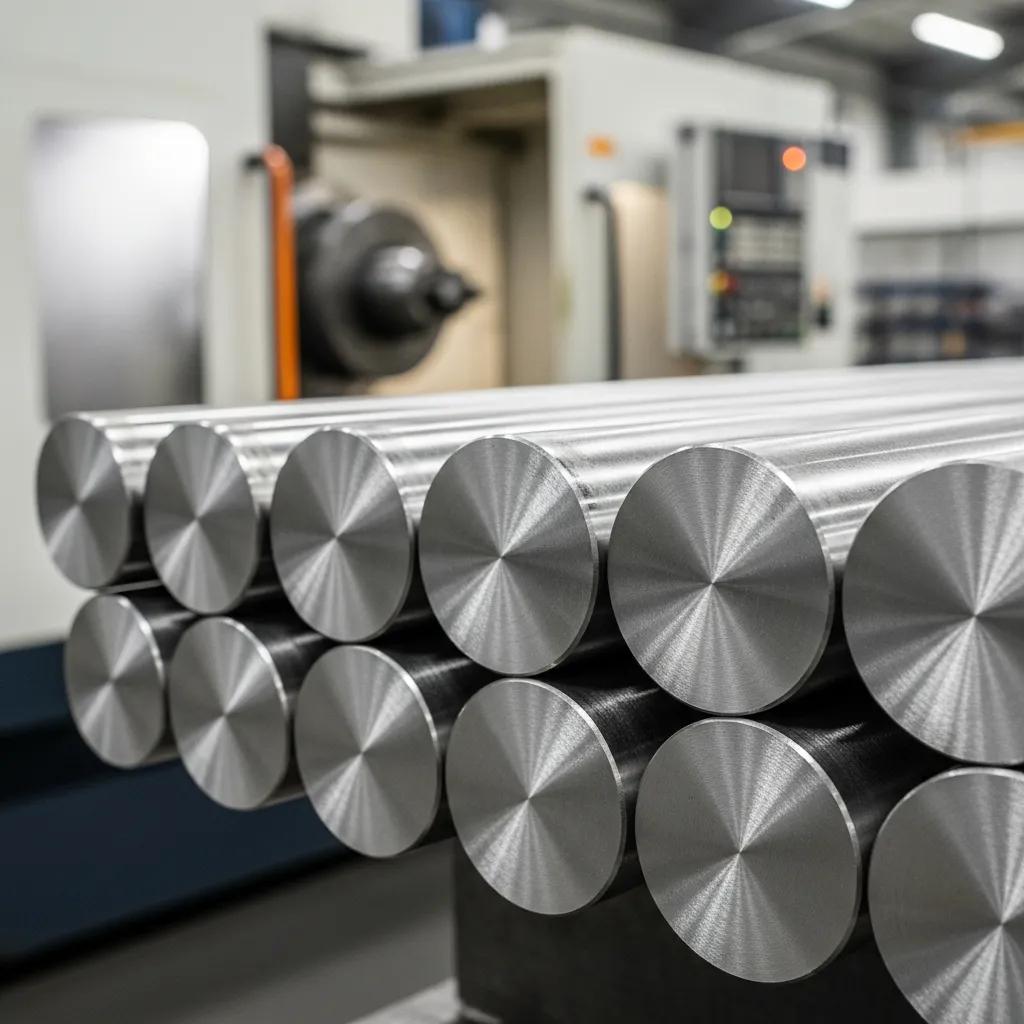
- EN19 Bright Round Bars: Precision‑turned surfaces reduce post‑machining work and support uniform heat treatment.
- EN19 Hex Bright Bars: Used where faster driving/assembly or wrenching is required for fasteners and fittings.
- EN19 HB Wires and Special Shapes: Support niche manufacturing needs for specific component geometries.
These formats make it straightforward for procurement to specify EN19 ready for machining and quench‑and‑temper processing and to request the technical documentation needed for qualification.
What manufacturing and quality assurance practices ensure superior EN19 steel?
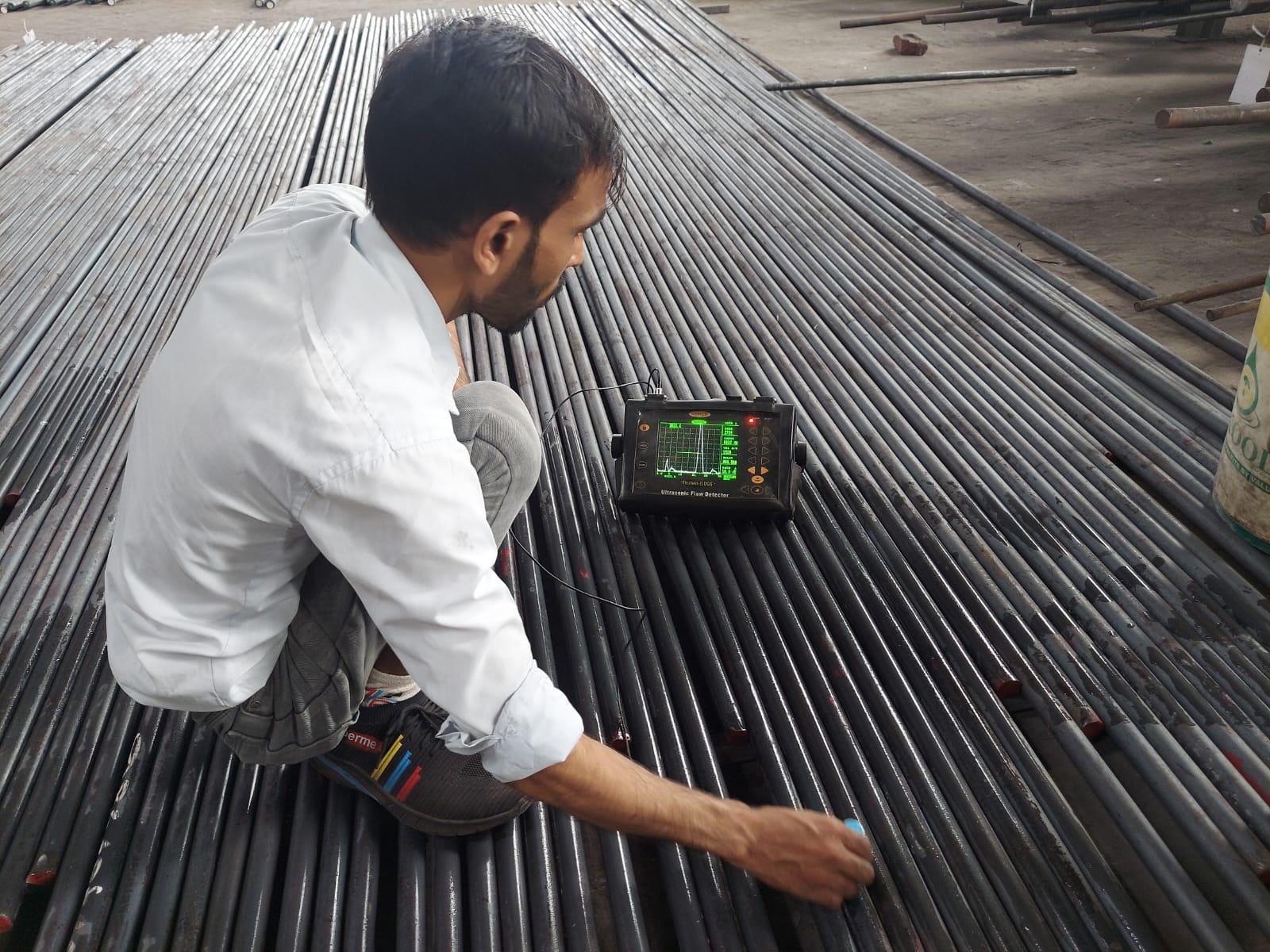
A reliable EN19 supplier controls melting and rolling to manage chemistry and inclusion content, then performs dimensional inspections and mechanical testing to validate heat‑treat targets. Typical QA includes spectrometric chemical analysis, tensile testing for UTS and yield, and hardness checks after representative heat treatments; mill test reports provide traceability for critical parts. Precision bright‑bar finishing reduces surface defects and helps ensure uniform quench response across bar lengths. Buyers should request test reports and confirm that production controls account for section‑size effects on quench hardenability to avoid surprises in final component properties.
These QA practices also support sustainability and lifecycle considerations important to many buyers.
How does Dhand Steels’ sustainable approach benefit EN19 steel customers?
Dhand Steels applies energy‑efficient and modern manufacturing techniques to reduce emissions and lower the embodied energy of bright bars, which can help customers meet supplier sustainability requirements. Lower energy use in rolling and heat treatment reduces lifecycle impacts, and traceable QA documentation helps procurement teams validate environmental claims. Combining reliable technical performance with sustainability information gives buyers the option to balance environmental goals and engineering needs. Contact us to request product and sustainability details as part of your quotation process.
If you need specification sheets or a custom quote, contact our sales team for current manufacturing and test documentation.
Frequently Asked Questions
What are the advantages of using EN19 steel over other alloy steels?
EN19 combines high tensile strength, toughness and wear resistance in a cost‑effective Cr–Mo package. Its balanced chemistry and tempering stability make it well suited for cyclic, load‑bearing parts like gears and shafts. Compared with some other alloys, EN19’s Cr and Mo content improves hardenability and reduces temper softening, helping parts retain required properties in demanding service environments.
How does the heat treatment process affect the properties of EN19 steel?
Heat treatment defines EN19’s mechanical profile. Annealing, normalizing, hardening and tempering let you trade hardness for toughness or vice versa. Hardening produces martensite and raises strength; tempering reduces brittleness and restores ductility. Precise temperatures, soak times and cooling methods determine final UTS, yield and impact resistance — so control of the heat‑treat cycle is critical.
What are the typical applications of EN19 steel in the aerospace industry?
In aerospace, EN19 is used for components that need high strength and fatigue resistance, such as certain landing gear links, engine mount parts and structural supports where a quenched‑and‑tempered Cr–Mo steel is appropriate. Application depends on specific certification and performance requirements; for critical aerospace parts, always confirm material qualification and traceability.
What factors should be considered when sourcing EN19 steel?
When sourcing EN19, verify chemical composition and mechanical properties after the specified heat treatment, and request mill test reports for traceability. Check the supplier’s QA practices, control of section‑size effects, and documentation for heat‑treat cycles. For critical components, require sample testing or full certification to ensure the material meets service demands.
Can EN19 steel be welded, and if so, what precautions should be taken?
EN19 can be welded, but care is needed to preserve mechanical properties. Preheat thicker sections to reduce cracking risk, use appropriate filler metal, and consider post‑weld heat treatment to relieve residual stresses and restore toughness. Follow recognised welding procedures and consult metallurgical guidance for joint design and parameters.
What are the environmental considerations when using EN19 steel?
Environmental considerations include the energy and emissions associated with production and heat treatment, plus end‑of‑life recycling. Suppliers using energy‑efficient rolling and heat‑treat processes reduce embodied energy in delivered bars. Buyers should ask for sustainability information and certifications to align material procurement with corporate environmental goals.
Conclusion
EN19 is a versatile Cr–Mo alloy that delivers a dependable mix of high tensile strength, toughness and wear resistance when properly processed. Understanding its chemistry, heat‑treatment options and international equivalents helps engineers and buyers specify the right material for shafts, gears and other heavy components. For reliable EN19 bright and round bars backed by traceable QA, Dhand Steels offers precision‑finished products and documentation to support your manufacturing and procurement needs. Contact us to discuss specifications or request a quote.



Comments
0 Comment On Post