

Carbon Steel vs Alloy Steel: Which One Fits Your Application?
Carbon steel is a ferrous material where carbon is the main alloying element—its level largely controls hardness, ductility and tensile strength. Alloy steel covers ferrous grades that deliberately add elements like chromium, nickel and molybdenum to tune strength, corrosion resistance, wear life and heat tolerance. Picking the right family matters: the correct steel minimizes downtime and maintenance, reduces total cost of ownership, and delivers safe, reliable performance in service. This guide lays out the compositional and mechanical differences, maps common carbon steel grades to their uses, explains how alloying elements change performance, and compares lifecycle costs with practical selection rules. You’ll find quick-reference tables, element-to-property guides, application-focused grade suggestions, and a concise note on how Dhand Steels supplies precision alloy bright bars for demanding manufacturing and heavy-engineering needs. With these distinctions in hand, engineers, buyers and designers can select steel that meets strength, manufacturability and budget goals.
What Are the Key Differences Between Carbon Steel and Alloy Steel?
The main difference is composition, and composition controls behavior in service. Carbon steel’s performance tracks closely with carbon content and standard heat treatments, which makes it predictable and cost-effective for many structural parts. Alloy steels add specific elements to boost hardenability, corrosion resistance or high-temperature strength—allowing use where plain carbon grades would fail. Understanding these differences helps you choose the simplest, lowest-cost material that still meets safety and lifecycle targets. The sections that follow unpack how chemistry and microstructure translate to real-world performance.
Below are the primary trade-offs for quick decision-making.
- Composition focus: Carbon steel’s properties are driven mainly by carbon percentage; alloy steel uses intentional additions to achieve target traits.
- Mechanical range: Alloy steels provide broader tensile and toughness ranges after heat treatment than comparable carbon steels.
- Corrosion & high-temp: Alloys with chromium, nickel or molybdenum perform better in corrosive or high-temperature environments.
- Cost trade-offs: Carbon steel is usually cheaper up front; alloy steels can lower lifecycle cost in high-wear or high-temperature service.
These points set up a closer look at how individual elements and microstructure affect performance.
How Do Composition and Alloying Elements Affect Steel Properties?
Chemistry determines microstructure, and microstructure dictates properties like hardness, ductility and toughness. Raising carbon increases hardness and strength—forming more pearlite or martensite after quenching—but it reduces ductility and weldability, limiting use in heavily welded assemblies. Alloying elements change hardenability, corrosion resistance and tempering response: chromium and molybdenum raise hardenability and wear resistance; nickel improves low-temperature toughness; vanadium refines grain size to raise strength without making the steel brittle. Mapping elements to properties helps you pick grades that hit performance targets while keeping manufacturing practical.
With these mechanisms clear, you can compare the mechanical ranges of carbon versus alloy steels, discussed next.
What Are the Mechanical Property Variations Between Carbon and Alloy Steel?
Mechanical properties depend on microstructure and heat treatment. Carbon steel offers tensile strength from low to moderate depending on carbon content, while alloy steels can be engineered to much higher strengths and better fatigue resistance. Yield strength, hardness and toughness in alloy steels are tuned by chemistry and controlled heat treatment, making them well suited for shafts, gears and high-cycle parts. Improvements in fatigue life and toughness matter for cyclic loading and impact-prone components—tempered martensite or bainitic microstructures in alloy steels often outperform simple carbon grades. These contrasts guide grade selection for parts under high stress, wear or elevated temperatures; we’ll cover specific recommendations later.
What Are the Properties and Applications of Carbon Steel?
Carbon steel is split into low, medium and high carbon ranges, each offering a different balance of ductility, strength and machinability. Low carbon (mild) steels favor formability and weldability—good for structural sections and stamped automotive panels. Medium carbon steels balance strength and ductility—common for shafts, axles and forged parts. High carbon steels reach high hardness and wear resistance after heat treatment—used for cutting tools, springs and wear components. Knowing these groups helps match function to the most economical material, while noting limitations around corrosion and elevated temperatures.
Quick summaries to guide selection:
- Low carbon steel — very ductile and easy to weld; ideal for structural parts and stamped components.
- Medium carbon steel — a balance of strength and toughness for shafts, gears and forgings that receive moderate heat treatment.
- High carbon steel — achieves high hardness and wear resistance after quenching and tempering; used for cutting tools, dies and springs.
What Are the Types and Properties of Low, Medium, and High Carbon Steel?
Low carbon steel (roughly 0.05–0.25% C) is very formable and weldable, commonly used for beams, plates and automotive bodywork because it keeps fabrication costs down. Medium carbon steel (about 0.25–0.60% C) responds to heat treatment for higher strength and suits axles, shafts and gears where toughness and strength must be balanced. High carbon steel (around 0.60–1.0% C) attains high hardness and wear resistance after proper heat treatment, making it the choice for cutting tools, springs and wear strips. As carbon content rises, weldability drops and heat-treatment sensitivity increases—so manufacturing processes must align with the selected grade.
Next we’ll look at the industries that commonly choose carbon steel and why.
Which Industries Commonly Use Carbon Steel and Why?
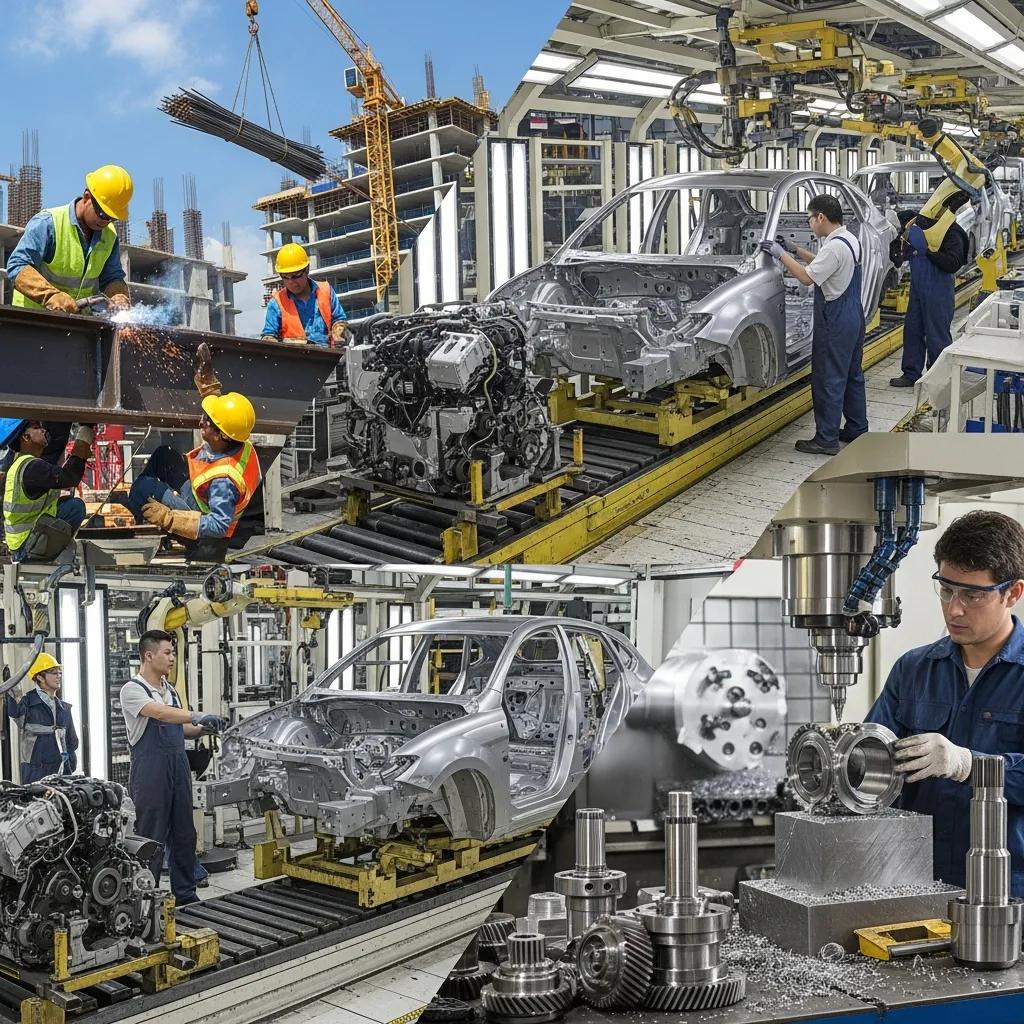
Construction and structural engineering rely on low and medium carbon steels for beams, rebar and general framing because availability and cost-effectiveness often outweigh the need for higher alloy content. Automotive manufacturers use low carbon for body panels and medium carbon for chassis and suspension parts where formability and crash performance matter. Fabricators and machinery builders select carbon steels for brackets, housings and non-critical wear parts because they’re easy to machine and inexpensive. The consistent strategy across these sectors is simple: use the least complex steel that satisfies strength, formability and safety to minimize procurement and fabrication costs.
Those examples lead into when alloy steels become the better, more economical choice over a part’s life.
How Does Alloy Steel Enhance Performance for Industrial Applications?
Alloy steels add elements to tailor hardenability, corrosion resistance, toughness and high-temperature strength beyond what carbon alone can deliver. When parts need better wear life, low-temperature toughness, or stability at elevated temperatures, a purpose-built alloy plus appropriate heat treatment produces predictable performance gains. Alloy grades can also improve strength-to-weight ratios where smaller sections benefit thermal or dynamic behavior. The following sections map common alloying elements to effects and suggest grades for typical uses.
First, a clear element→effect summary.
What Are the Common Alloying Elements and Their Effects?
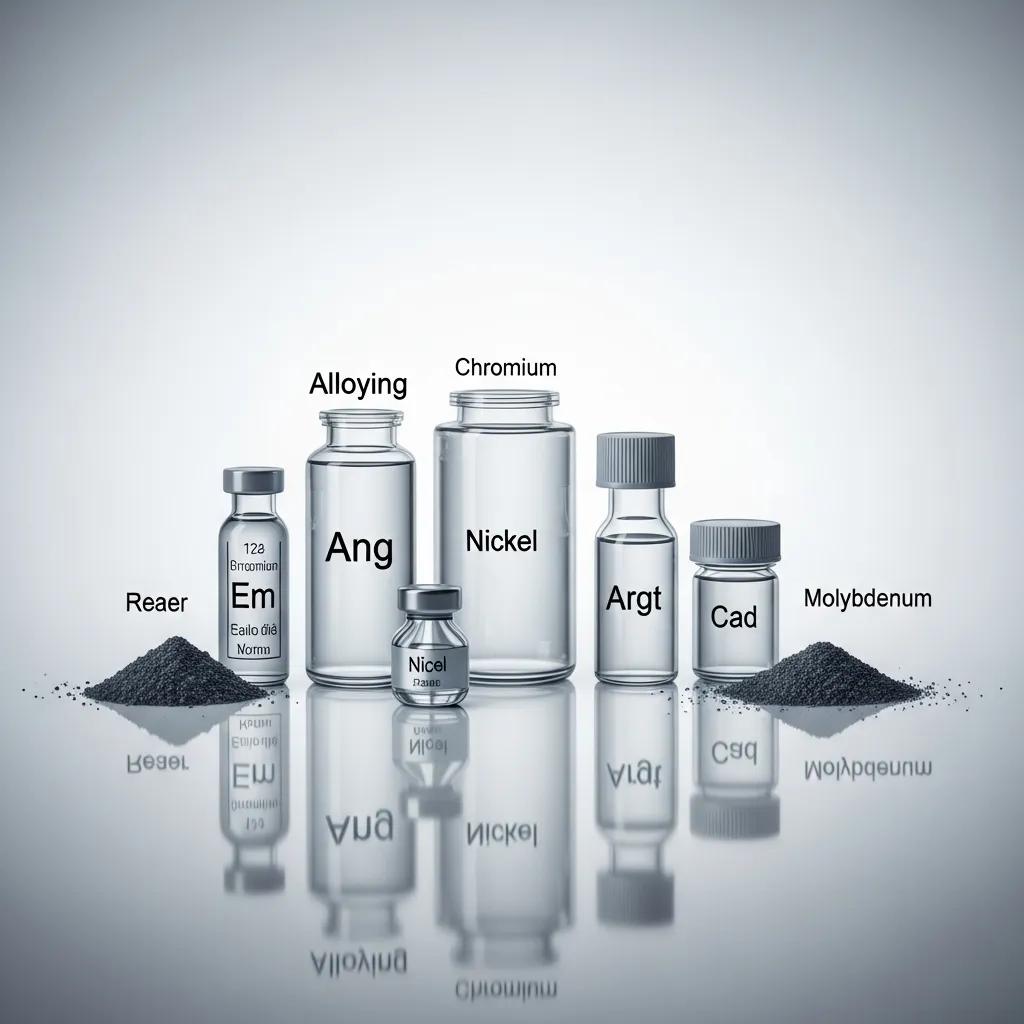
Each alloying element delivers specific benefits that translate to application advantages: chromium raises corrosion resistance and hardenability; nickel boosts toughness and low-temperature performance; molybdenum improves high-temperature strength and creep resistance while aiding hardenability; vanadium refines grain size to increase strength without excessive brittleness; manganese helps deoxidation and improves hot-working characteristics. Knowing these mappings lets engineers pick alloys suited to corrosive environments, high temperatures or abrasive wear—especially when specifying alloy bright bars for turned, ground or machined components.
Use the table below as a quick reference for element effects and where they matter.
| Alloying Element | Primary Effect | Application Implication |
|---|---|---|
| Chromium (Cr) | Improves corrosion resistance and hardenability | Good for wear parts and mildly corrosive environments |
| Nickel (Ni) | Increases toughness and low-temperature performance | Useful for structural parts exposed to impact or cold service |
| Molybdenum (Mo) | Boosts high-temperature strength and creep resistance | Suited to elevated-temperature components and heavy loads |
| Vanadium (V) | Refines grain size to raise strength and fatigue resistance | Ideal for high-strength shafts and springs |
| Manganese (Mn) | Enhances hardenability and hot-working behavior | Common in many structural and low-alloy steels |
This element-to-application mapping supports the grade recommendations that follow.
Which Alloy Steel Grades Are Best Suited for Specific Uses?
Certain wrought alloy grades are standard because they combine predictable heat-treatment response with reliable mechanical performance. For example, 4140-type Cr–Mo steels are commonly specified for high-strength shafts and axles thanks to good hardenability and toughness after tempering. Low-alloy carburizing grades like 8620 give a ductile core with a hard, wear-resistant case—ideal for gears and carburized parts. Where corrosion resistance and strength are both required, grades with higher chromium and nickel content balance those needs. When you specify a grade, confirm heat-treatment windows, machinability and whether bright-bar forms (round, hex, square) are needed for turned components.
These recommendations lead into lifecycle cost considerations: the choice of material affects total cost of ownership and maintenance planning.
How Do Carbon Steel and Alloy Steel Compare in Cost and Lifecycle Value?
Initial material cost and total cost of ownership can diverge depending on wear, corrosion and thermal exposure. Carbon steel usually has the lowest purchase price per kilogram, which makes it attractive for bulk structural items or non-critical parts. Alloy steels carry a higher upfront cost but often reduce maintenance frequency, extend service life and lower the risk of catastrophic failure in harsh service—reducing lifecycle cost. Assess total cost by estimating initial cost, maintenance needs, downtime consequences and replacement frequency; the table below offers a structured comparison to help procurement decisions.
| Steel Type / Grade | Initial Cost | Maintenance Frequency | Expected Service Life | Typical Failure Modes |
|---|---|---|---|---|
| Low carbon steel (mild) | Low | Moderate | Medium (with proper coating) | Corrosion, bending fatigue |
| Medium carbon steel | Moderate | Moderate | Medium–High (when heat treated) | Wear, fatigue cracking |
| High carbon steel | Moderate–High | Regular (for wear parts) | High for wear components after hardening | Abrasive wear, brittle fracture if over-tempered |
| Alloy steel (e.g., Cr–Mo, Ni alloys) | Higher | Lower (in harsh conditions) | High | Corrosion, creep (if mis-specified) |
Is Carbon Steel More Cost-Effective Than Alloy Steel Initially and Over Time?
On purchase price alone, yes—carbon steel is usually cheaper because it uses less alloying material and simpler processing. But lower alloy content can mean faster degradation in corrosive, abrasive or high-temperature environments, driving up maintenance and replacement costs. For heavily worn, cyclically loaded or hot components, alloy steel can lower total lifecycle cost despite higher upfront price by extending service life and reducing downtime. For example, repeatedly replacing a worn shaft usually costs more over time than specifying a higher-grade alloy shaft that resists wear and reduces service interruptions.
What Is the Total Cost of Ownership for Different Steel Types?
Calculating total cost of ownership requires adding initial procurement, manufacturing and heat-treatment costs, expected maintenance actions, downtime impacts and eventual replacement or disposal. Estimate maintenance frequency from environment (corrosive vs benign), load cycles (fatigue), and part criticality (downtime cost per hour). Use the simple scenarios in the table below as a starting point and adjust service intervals and replacement costs to run sensitivity analyses.
| Material Scenario | Initial Cost Component | Maintenance / Downtime | Replacement Interval (estimate) |
|---|---|---|---|
| Mild steel structural part | Material + basic fabrication | Periodic painting; infrequent replacement | 10–30 years depending on corrosion control |
| Alloy steel rotating shaft | Higher material + heat treatment | Lower frequency; planned refurbishment | 5–15 years with preventive maintenance |
| High carbon wear tool | Moderate material + hardening | Regular regrinding or replacement | Months–years depending on wear rates |
Which Steel Type Is Best for Your Industry: Automotive, Construction, or Heavy Engineering?
Industry priorities shape the best material choice. Automotive focuses on formability, crash performance and cost; construction emphasizes structural strength, weldability and availability; heavy engineering demands wear resistance, fatigue life and precise dimensional control. Each sector balances those priorities differently, so select materials based on function first and cost second. The short recommendations below align material choice with common sector needs.
- Automotive: Low carbon steels for body panels; medium carbon or alloy steels for powertrain and suspension where load-bearing and fatigue resistance matter.
- Construction: Low–medium carbon structural steels for framing and reinforcement; specify corrosion-protected or alloyed steels where exposure or safety criticality requires it.
- Heavy Engineering: Alloy steels and precision bright bars for shafts, rollers and bearing parts where dimensional accuracy, fatigue life and wear resistance determine uptime.
These high-level prescriptions lead into sector-specific examples and performance notes below.
How Do Carbon and Alloy Steel Perform in Automotive and Manufacturing Sectors?
In automotive and general manufacturing, low carbon steels dominate body-in-white and non-structural parts because they optimize stamping, spot welding and cost while meeting crash-energy goals. Powertrain components—gears, crankshafts and axles—typically require alloy or medium-carbon steels with specified heat treatments to meet fatigue life and wear requirements. Manufacturers of rotating machinery and transmissions prefer alloy steel bright bars for their tighter dimensional tolerances and consistent mechanical properties after hardening, which reduces scrap and rework. Aligning part design, stress profile and production method minimizes lifecycle cost and improves assembly reliability.
What Are the Advantages of Alloy Steel Bright Bars in Heavy Engineering and Construction?
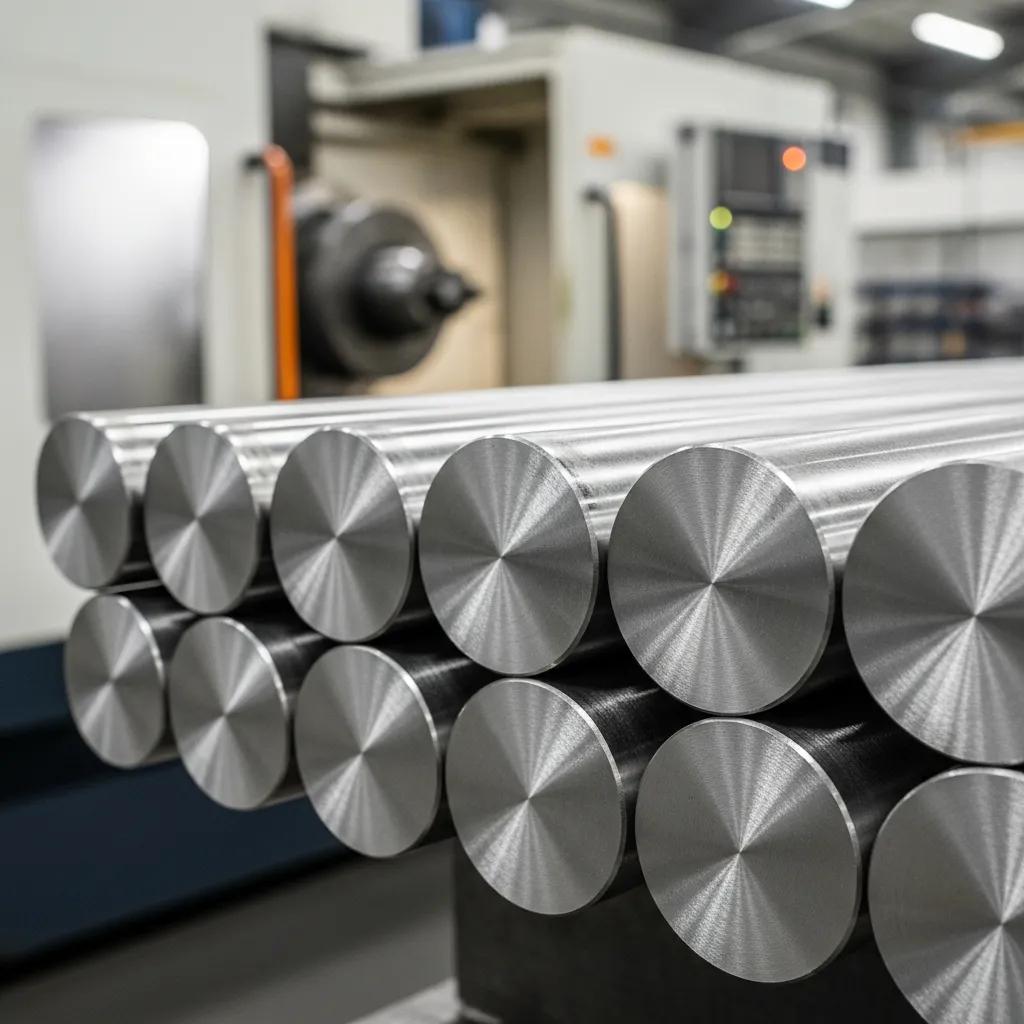
Alloy steel bright bars deliver controlled straightness, tight dimensional tolerances and a clean surface finish that reduce machining allowances and cycle times for critical parts. These traits matter in heavy engineering for press-fitted shafts, precision rollers and close-tolerance assemblies where misalignment or surface defects accelerate wear or cause assembly failures. Predictable heat-treatment response and dimensional consistency lower rejection rates and speed manufacturing workflows. When tolerance, surface integrity and long-term performance determine reliability, alloy bright bars are often the most cost-effective option despite higher initial cost.
Why Choose Dhand Steels for High-Quality Alloy Steel Bright Bars?
Dhand Steels is an independent, privately owned producer focused on high-precision alloy bright bars and special-shaped bright bars in a wide range of grades and profiles—round, hex, square, HHB and HB wires. We emphasize premium straightening and alignment, process innovation, cost-effectiveness and lower carbon emissions through smarter production choices. For buyers who need precision blanks that cut machining allowances and improve assembly outcomes, Dhand Steels provides options that support tighter tolerances and consistent mechanical properties.
What Innovations and Quality Standards Does Dhand Steels Offer?
We prioritize precision straightening and alignment to deliver consistently straight blanks that reduce machining setup time and scrap. Our independent production model lets us focus on quality and process improvements across many grades and shapes, so customers can pick materials tailored to their application. We also work to lower carbon emissions through smarter processing choices and back our products with post-sales support and a commitment to client satisfaction—important when specifying bright bars for tight-tolerance, high-reliability components.
How Do Dhand Steels’ Products Support Sustainable and Cost-Effective Solutions?
Dhand Steels reduces footprint through lower‑emission processes and extends component life with durable materials—both of which help sustainability goals. Precision bright bars with predictable mechanical properties and excellent straightness cut machining waste and rework, reducing material consumption and lifecycle cost. For procurement teams, consistent quality and reliable post-sales support minimize downtime and maintenance expenses, aligning supplier choice with cost-control and sustainability targets.
For quotes or technical support, contact Dhand Steels to request specification guidance and check material availability—our range suits engineers needing high-precision alloy bright bars for demanding industrial applications.
Decision checklist for specifying steel:
- Define load and environment: Clarify stress cycles, wear exposure and corrosion risk.
- Set manufacturability constraints: Identify required forms (bright bar shapes), machining allowances and welding needs.
- Estimate lifecycle costs: Model initial, maintenance, downtime and replacement expenses.
- Select grade and supplier: Pick a grade that meets mechanical requirements and a supplier who delivers consistent bright-bar quality.
Frequently Asked Questions
1. What are the environmental impacts of using carbon steel versus alloy steel?
Carbon steel typically has a smaller production footprint because its chemistry and processing are simpler. But in harsh environments it may require more frequent replacement, raising overall waste. Alloy steel often uses more resources upfront but can last longer in demanding service, potentially lowering lifecycle waste. Choose based on both immediate manufacturing impact and expected service-life, including maintenance and replacement frequency.
2. How do the welding characteristics differ between carbon steel and alloy steel?
Welding behavior depends on composition. Low carbon steels are the easiest to weld, with good ductility and low cracking risk. High carbon and some alloy steels may require preheating, special fillers or controlled procedures to avoid brittleness and cracking. Account for welding needs during material selection to ensure strong, reliable joins in structural applications.
3. Can carbon steel be used in applications typically suited for alloy steel?
Sometimes—but performance may be compromised. In high-temperature or corrosive environments carbon steel will usually degrade faster, increasing maintenance and replacement costs. Where strength, wear resistance or toughness are critical, alloy steels are typically the safer, longer‑lasting choice.
4. What role does heat treatment play in the performance of carbon and alloy steels?
Heat treatment strongly influences mechanical properties in both families. In carbon steel, heat treatments increase hardness and strength but can reduce ductility. In alloy steels, heat treatment allows finer tuning of toughness, fatigue resistance and hardenability depending on the alloying elements. Specify heat-treatment windows and process controls to achieve the intended performance.
5. How do maintenance requirements differ between carbon steel and alloy steel?
Maintenance depends on material and operating environment. Carbon steel may need more frequent maintenance in corrosive or abrasive conditions. Alloy steels, while costlier up front, often offer longer intervals between service events due to better wear and corrosion resistance—reducing downtime and overall maintenance expense.
6. What factors should be considered when selecting between carbon steel and alloy steel for a project?
Consider mechanical requirements, environmental conditions, budget and expected lifecycle. Assess load-bearing needs, exposure to corrosives, weldability and machinability. Also factor total cost of ownership—initial cost plus maintenance and replacement—to choose the best balance of performance and budget.
7. Are there any safety concerns associated with using carbon steel or alloy steel?
Safety risks stem from mis‑specifying material for its service. Carbon steel can be vulnerable to brittle failure under high stress if toughness is insufficient. Alloy steels can also fail if not matched to operating temperature or corrosive conditions. Make sure the selected steel meets applicable safety standards and performance requirements to minimize risk in structural and mechanical systems.
Conclusion
Choosing between carbon and alloy steel is a trade-off between upfront cost, performance and lifecycle value. Knowing how chemistry, microstructure and heat treatment shape properties lets you specify the right material for strength, manufacturability and long-term reliability. If you need tailored recommendations or a quote for precision bright bars, contact Dhand Steels—we’ll help you match material, grade and form to your application’s demands.



Comments
0 Comment On Post