

Why Certified Steel Grades Matter — Delivering Reliable Quality and Compliance for Industrial Projects
Certified steel grades are written specifications that define a material’s chemistry, mechanical performance, and acceptable processing routes. They matter because they turn engineering requirements into verifiable supplier deliverables for industrial projects. This guide explains how certified grades reduce safety risk, support regulatory compliance, and deliver predictable performance across manufacturing, construction, automotive, railways and heavy engineering. Procurement and engineering teams depend on standards from ASTM, SAE and ISO plus Material Test Certificates (MTCs) to confirm that bright bars, round bars and alloy components meet project specs and lifecycle expectations. You’ll learn what a certified grade contains, how mechanical properties map to structural outcomes, the compliance benefits of traceability and documentation, and the practical quality controls to request from suppliers. We also cover the supplier viewpoint — bright bar quality assurance — and how certification intersects with sustainability trends and digital verification for low‑carbon steel.
What Are Certified Steel Grades and Why Are They Essential?
A certified steel grade is a documented specification that names a steel by chemical limits, mechanical properties (for example tensile and yield strength) and permitted heat treatments or processing. It’s essential because it creates a shared, testable language between designers, procurement and manufacturers. Grade entries make material performance measurable and enforceable through standardized tests, cutting ambiguity in contracts and improving predictability in service. Standards bodies and industry norms publish these grades and they’re routinely referenced in tenders and acceptance criteria to ensure safety, durability and compliance with codes. The section below explains the roles different standards organizations play in defining and these specifications.
Standards and grade entries can be summarized to help procurement read specs quickly; the table below lists common elements found in ASTM, SAE and ISO grade entries and the typical information they convey. Use this as a quick reference when answering “what are certified steel grades.”
| Specification Element | Defines | Typical Example / Note |
|---|---|---|
| Chemical composition | Alloying limits and elemental ranges | e.g., carbon, manganese, chromium ranges that determine strength and hardenability |
| Mechanical properties | Minimum tensile, yield, elongation | e.g., tensile 600–900 MPa, yield 350–600 MPa depending on grade |
| Heat treatment / processing | Allowed thermal or forming operations | e.g., normalized, quenched & tempered, cold-drawn bright bars |
| Product form & dimensions | Shape and tolerance requirements | e.g., bright bars, round bars, hex bars with specified diameters and tolerances |
| Traceability details | Heat number, batch link to MTC | Enables recall management and failure analysis through documented heat numbers |
How Do ASTM, SAE, and ISO Standards Define Steel Certification?
ASTM, SAE and ISO each play distinct but complementary roles in steel certification. ASTM issues product and material specifications that describe test methods and acceptance criteria for a manufactured product. SAE publishes alloy and grade designations focused on chemistry and expected mechanical performance used by engineers. ISO provides international norms, including management-system standards such as ISO 9001, that support consistent processes and global trade. ASTM specs often read like procedural product definitions (for example dimensions, test methods and minimums), while SAE grades like SAE 4140 describe alloy chemistry and performance expectations. ISO does not replace product specs but ensures supplier processes reliably produce certified grades. Knowing these differences helps procurement specify the right mix of product standard and management‑system compliance in tender documents.
Together these roles form a layered certification model: product definitions from ASTM or SAE sit alongside supplier process controls verified through ISO-style quality systems, improving predictability in deliveries and test results. The next section shows how Material Test Certificates put these standards into practice during procurement.
What Role Do Material Test Certificates Play in Steel Certification?
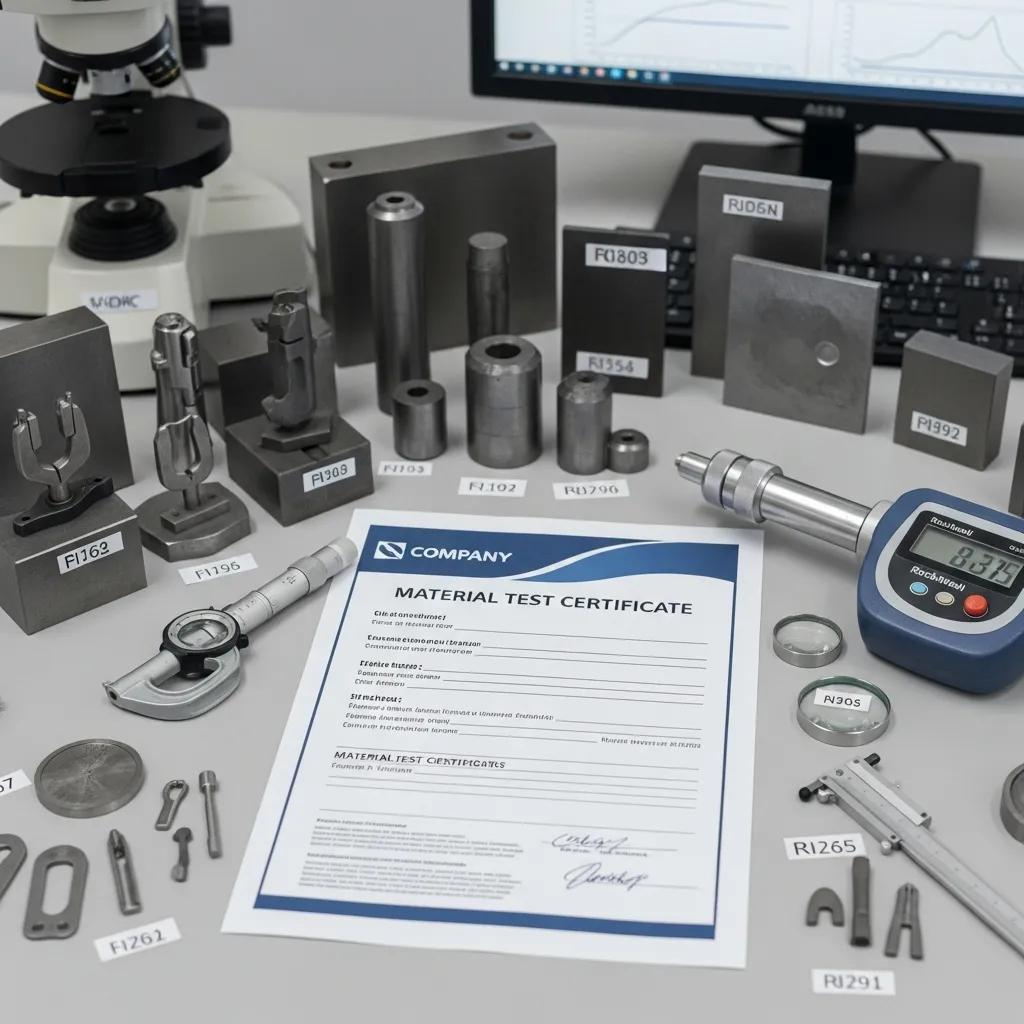
A Material Test Certificate (MTC) is the primary proof that a delivered batch of steel meets the specified grade. It ties a product to test data and a heat number and provides measurable evidence for chemical composition and mechanical results. A typical MTC lists the supplier, material designation and grade, heat number, chemical analysis, mechanical test results (tensile, yield, elongation, hardness), heat‑treatment statement and an authorized sign‑off. Procurement uses MTCs to accept or reject deliveries, retain audit records and support warranty or liability claims if failures occur. A short acceptance checklist: verify the heat number matches delivery, confirm test values meet or exceed specified minima, and ensure the authorized signature and referenced test methods are present.
MTCs gain value because they reference standardized test methods and link to heat-level traceability that can be audited. Good procurement practice is to specify required MTC content in contracts to avoid acceptance disputes later in the project.
How Do Certified Steel Grades Enhance Safety and Structural Integrity?
Certified grades translate chemical and mechanical requirements into verified outcomes that protect structural integrity and operational safety. When a grade is certified and backed by an MTC, engineering assumptions about tensile strength, yield, ductility and toughness become verifiable — lowering the risk of brittle failure, fatigue cracking or unexpected deformation. Consistent material properties reduce field variability, cut rework and extend service life, while traceability shortens root-cause investigations when issues arise. The following subsections map specific properties to outcomes and show how certified steel reduces project risk.
The table below links common mechanical properties to why they matter on a project and the practical impact they produce; use this mapping to create acceptance criteria and prioritise tests during procurement.
| Mechanical Property | Why It Matters | Impact on Project / Example |
|---|---|---|
| Tensile strength | Determines ultimate load capacity | Enables correct sizing of load-bearing bars and shafts |
| Yield strength | Controls permanent deformation under load | Ensures structures maintain alignment under service loads |
| Toughness / impact resistance | Resists brittle fracture in dynamic conditions | Reduces catastrophic failure risk in rail and heavy engineering |
| Ductility / elongation | Allows energy absorption and redistribution | Improves fatigue life and weld repairability |
In What Ways Do Certified Grades Improve Tensile Strength and Durability?
Certified grades improve tensile strength and durability by setting compositional limits and minimum mechanical criteria that are validated through standard tensile and hardness testing. For example, alloyed grades such as SAE 4140 deliver higher strength and toughness through controlled chromium‑molybdenum chemistry and heat treatment; specification plus MTC verification confirm the delivered material meets those requirements. Tight chemistry control reduces variability in measured tensile values while specified heat treatments (normalizing, quench & temper) produce the microstructure needed for durability under cyclic or sustained loads. Designers use these validated tensile and yield numbers to set safety factors and predict service life, which can reduce overdesign and the cost of heavier components.
Because tensile and durability depend on both chemistry and process control, procurement should require both the grade designation and corresponding MTC data — linking material choice directly to predictable in‑service performance.
How Does Certified Steel Reduce Risks in Industrial Projects?
Certified steel reduces risk through predictable behaviour, traceability and documented conformity to standards. Heat-number traceability lets teams isolate affected batches quickly if anomalies appear, while certified specifications reduce variability that causes misfit, premature wear or cracking. Beyond safety, certification lowers commercial risk by speeding inspection and approvals — when MTCs and test reports match contract requirements, acceptance is faster and schedule risk falls. For project managers, the practical result is fewer surprises during commissioning and lower lifecycle costs from reduced rework and warranty claims.
To realise these benefits, specify acceptance test points, require MTCs with deliveries and reserve rights to third‑party testing on critical components. This ties certification to a risk-management workflow that protects both operations and schedules.
What Are the Compliance Benefits of Using Certified Steel in Industrial Projects?
Using certified steel delivers clear compliance benefits: it helps meet regulatory codes, satisfies industry standards, and provides audit-ready documentation that proves due diligence in material selection and acceptance. When procurement names certified grades and requires MTCs, projects can demonstrate to inspectors and auditors that materials were selected and verified to recognised standards — reducing the chance of penalties or stoppages. Certified materials also simplify compliance with contract clauses on safety, performance guarantees and traceability. The checklist below gives actionable procurement steps and explains why traceability matters for compliance.
- Specify exact grade and applicable standard: Name the grade and reference the ASTM/SAE/ISO standard in tender documents.
- Require a full MTC linked to heat numbers: Insist on chemical and mechanical test results with authorised sign-off.
- Reserve rights for third-party testing: Include clauses allowing independent verification on critical components.
- Document acceptance and store MTCs for audits: Maintain records for the lifecycle of the asset or per regulatory timelines.
Following this checklist reduces compliance friction and protects the project from regulatory and contractual exposure. The next section shows how traceability underpins these controls.
How Do Certified Steel Grades Help Meet Regulatory and Industry Standards?
Certified grades help meet regulatory and industry requirements by allowing specifiers to reference precise material demands in contract documents and by giving auditors a way to verify conformity through MTCs and test reports. A robust procurement clause names the grade, cites the standard (for example an ASTM product or SAE alloy designation) and lists required documentation such as an MTC signed by an authorised lab or supplier quality manager. Evaluating supplier MTCs means checking chemical limits, mechanical test results against specified minima and ensuring heat numbers match delivery records; when discrepancies occur, third‑party testing resolves disputes. These steps make compliance demonstrable and defensible during audits, inspections and contract closeout.
Clear contractual language combined with document verification closes the loop between specification and compliance, reducing ambiguity at regulatory checks and handovers.
Why Is Traceability Important for Steel Grade Compliance?
Traceability — linking a finished product back to a specific heat number and batch — is essential for recalls, failure analysis and liability defence because it narrows investigations to defined lots instead of entire production runs. A practical traceability flow is heat number → mill test data → MTC → assembly records → installation records; each step supports a fast, evidence-based response if a material issue emerges. Best practices include requiring visible heat numbers on bundles, retaining MTCs in project records and ensuring the supplier’s batch documentation accompanies shipments. These steps speed root-cause analysis, enable targeted remediation and support regulatory reporting when required.
Strong traceability practices turn material certification into an effective risk-reduction tool for projects and operations.
How Does Dhand Steels Ensure Quality Through Certified Bright Bar Solutions?
Dhand Steels uses supplier-side controls to deliver certified bright bars that meet specified grades: careful raw material selection, tight process controls during bright-bar production and documented testing with MTC issuance to support traceability and acceptance. Our product range includes Bright Bars, Alloy Steel Bright Bars, HHB Wires, HB Wires, Round Bars, Hex Bars and Square Bars in grades such as SAE 1018, EN8D, C20, SAE 4140, IS 2062 E350 and EN8. We emphasise end-to-end checks that start with vendor qualification for incoming billets and continue through dimensional checks, chemical and mechanical testing, and final inspection before issuing MTCs. The table below summarises representative products, the QC measures most relevant to grade consistency, and typical application contexts for these certified bright bars.
| Product / Grade | QC Measure / MTC Availability | Typical Application |
|---|---|---|
| Bright Bars (SAE 1018) | Chemical analysis & tensile reports available | General machining, shafts, pins |
| Alloy Bright Bars (SAE 4140) | Hardness and tensile testing recorded on MTC | High-strength shafts, gears, heavy engineering |
| Round/Hex/Square Bars (EN8D / C20) | Dimensional, straightness checks; MTC links to heat number | Manufacturing components, agricultural parts |
What Quality Control Measures Does Dhand Steels Implement for Steel Grade Consistency?
Dhand Steels follows a staged QC workflow that begins with incoming raw‑material verification, continues with in‑process dimensional and straightness checks for bright bars, includes laboratory chemical analysis and mechanical testing, and finishes with final inspection and MTC issuance for each heat lot. Incoming checks validate billet or feedstock certificates and sample chemistry to ensure the starting material sits within grade limits, reducing the risk of out‑of‑spec production. During forming and finishing, dimensional controls and straightness checks maintain bright‑bar tolerances, while mechanical tests such as tensile and hardness confirm the grade’s mechanical profile. Finally we issue an MTC that records heat numbers, test results and authorised sign‑off to enable traceability for procurement and audit purposes.
Procurement teams should request these QC records and reference the product grade in purchase orders to ensure alignment between specification and delivery — closing the loop between engineering requirements and supplier documentation.
Which Certified Bright Bar Products Does Dhand Steels Offer for Industrial Applications?
Dhand Steels supplies Bright Bars, Alloy Steel Bright Bars, HHB Wires, HB Wires, Round Bars, Hex Bars and Square Bars in grades commonly specified for industry: SAE 1018 for general machining, SAE 4140 for high‑strength parts, EN8D and C20 for medium‑carbon components, and IS 2062 E350 for construction‑grade steel. These grade/product combinations serve manufacturing, automotive, railways, agriculture, construction and heavy engineering so procurement can match grade properties to component demands. For example, choose SAE 4140 bright bars where tensile strength and toughness are critical, and SAE 1018 where machinability and consistent finish matter.
This product-level clarity helps design and procurement teams pick the right bright-bar family and specify the MTCs needed for acceptance and in-service reliability.
What Is the Future of Certified Steel Grades in Sustainable Industrial Projects?
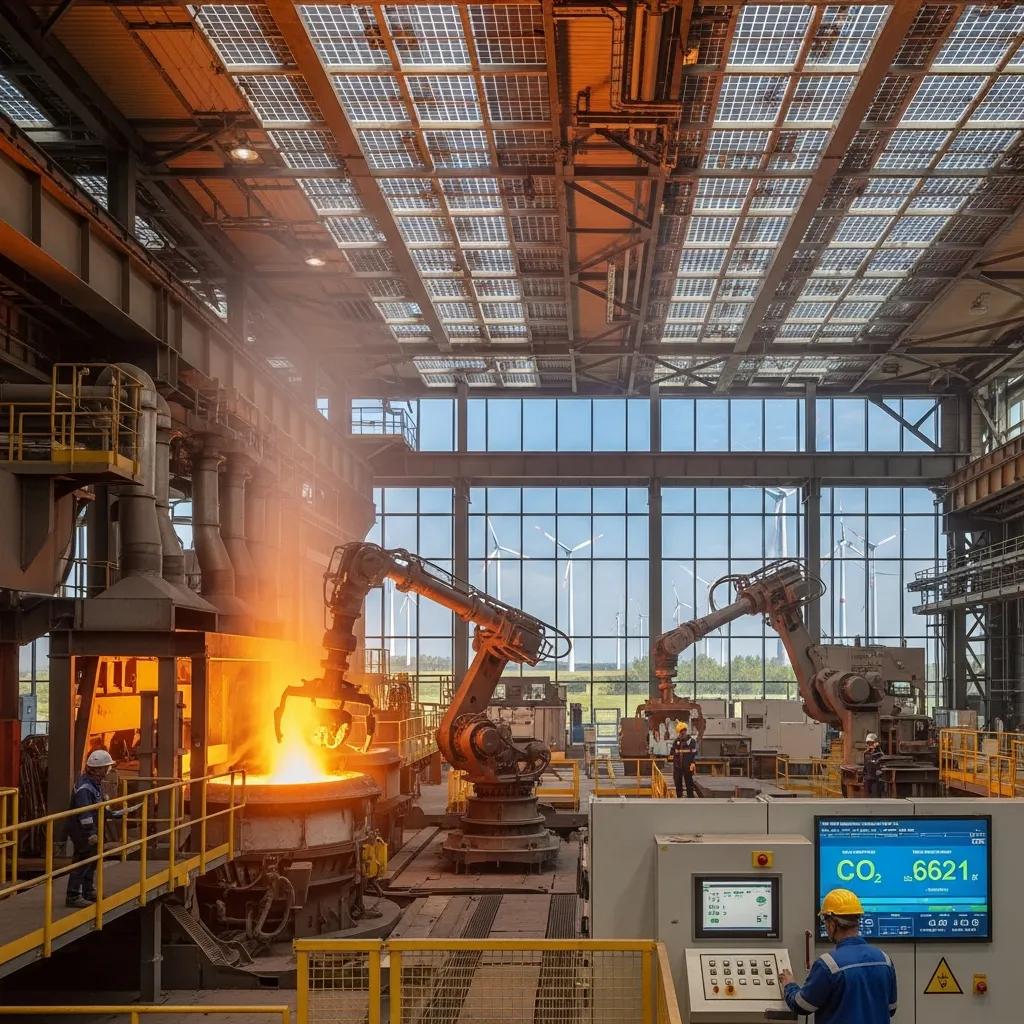
Certified steel grades will increasingly include sustainability fields and low‑carbon indicators as buyers demand verifiable environmental metrics alongside traditional chemical and mechanical data. As low‑emission production methods like hydrogen‑reduced iron and electric‑arc furnace routes scale, procurement will seek documented recycled content percentages and CO2‑intensity figures tied to batches. Digital MTCs and tamper‑proof traceability systems are emerging to meet this need by creating immutable records of production pathways and emissions footprints. The sections below explain how certified grades intersect with sustainability claims and list the innovations reshaping certification.
The list below shows key documentation elements procurement should require to validate green steel claims at specification and acceptance.
- Recycled content percentage: A verified value showing scrap content used in production.
- CO2 intensity per tonne: A measurable emissions figure tied to a production batch.
- Production route statement: Declaration of electric‑arc furnace, hydrogen or BF‑BOF route.
- Digital traceability link: Machine‑readable traceability that connects MTC to emissions data.
How Do Certified Grades Contribute to Green Steel and Environmental Sustainability?
Certified grades enable green steel by providing a framework to record recycled content, processing route and carbon intensity at the batch level. When MTCs or supplier documents include recycled‑content percentages and traceable CO2 metrics tied to a heat number, buyers can make verifiable sustainability choices and report reductions in embodied carbon. Best practices are to embed sustainability fields in technical specs, require supporting proof from suppliers and retain records for lifecycle assessments. This way, projects can track environmental outcomes while keeping the technical certainty that certified grades deliver.
Adding sustainability metrics to grade documentation lets projects measure environmental impact without sacrificing performance certainty.
What Innovations Are Shaping the Certification and Use of Steel in Industry?
Several innovations are reshaping certification and steel use: digital MTCs and blockchain-style traceability secure provenance data; AI-assisted quality control predicts out‑of‑spec trends from process data; and low‑emission production techniques (hydrogen reduction, higher scrap rates in electric‑arc furnaces) change a grade’s environmental footprint. Digital MTCs make it easier to attach emissions and recycled‑content claims to specific heat numbers, while AI can reduce testing costs by identifying which batches need full destructive tests versus sampling. As low‑carbon production matures, sustainability becomes a verifiable attribute of a grade rather than an aspirational claim.
These innovations will move MTCs from static documents to dynamic, machine‑readable records that combine performance and sustainability data for smarter procurement.
For procurement managers evaluating certified bright bars, use the supplier documentation and QA steps described above when creating acceptance criteria. Suppliers who provide clear MTCs, heat‑level traceability and explicit grade listings enable faster approvals and safer installations. Dhand Steels manufactures, supplies and exports bright bars in grades such as SAE 1018, EN8D, SAE 4140 and IS 2062 E350, and we provide product families and QC documentation procurement teams can reference when specifying certified bright bars for industrial use.
Frequently Asked Questions
What are the key differences between certified and non-certified steel grades?
Certified steel grades are validated against specific standards, so they meet defined chemical and mechanical properties and come with Material Test Certificates (MTCs) that record traceability and test data. Non‑certified steel lacks this formal validation and documentation, which increases the risk of inconsistent quality or performance. For safety‑critical applications, certified steel with an MTC is essential.
How can procurement teams ensure they are selecting the right certified steel grade?
Start by defining project requirements: the mechanical properties and chemical composition needed for the application. Reference recognised standards such as ASTM, SAE or ISO in specifications, and require MTCs that detail properties and traceability. Work with suppliers who have a proven QA track record and ask for specific test reports and heat‑number documentation to confirm suitability.
What are the environmental benefits of using certified steel grades?
Certified grades can include verified recycled content and carbon‑intensity data, enabling procurement to choose lower‑impact materials with confidence. As the industry shifts to low‑emission routes, certified documentation allows projects to report embodied carbon reductions and meet green procurement criteria. Prioritising certified steel supports measurable sustainability outcomes.
How does the certification process impact the cost of steel?
Certification adds testing and documentation steps that can increase upfront cost. However, that investment often delivers long‑term savings: fewer failures, less rework, quicker acceptance and lower warranty exposure. Certified steel’s predictable performance can reduce overdesign and cut lifecycle cost, so the benefits usually outweigh the initial expense.
What role does technology play in the future of certified steel grades?
Technology is streamlining certification via digital MTCs, blockchain traceability and AI‑driven quality control. These tools improve transparency, enable real‑time tracking of material properties and production, and help predict defects. As these technologies scale, certification becomes faster, more reliable and better aligned with sustainability reporting.
How can companies ensure compliance with industry regulations when using certified steel?
Specify certified grades in procurement documents and reference the relevant standards. Require complete MTCs that show chemical and mechanical properties and maintain those records for audits. Conduct regular supplier audits and retain documentation for the asset lifecycle. These steps demonstrate due diligence and help manage compliance risk.
Conclusion
Choosing certified steel grades ensures predictable performance, regulatory compliance and stronger safety outcomes for industrial projects. By relying on recognised standards and Material Test Certificates, procurement teams can select materials that meet technical and lifecycle demands with confidence. Adopting these practices streamlines project delivery and supports sustainability goals as the industry evolves. Contact Dhand Steels to explore our certified bright bars and other product offerings for your next project.


Comments
0 Comment On Post